

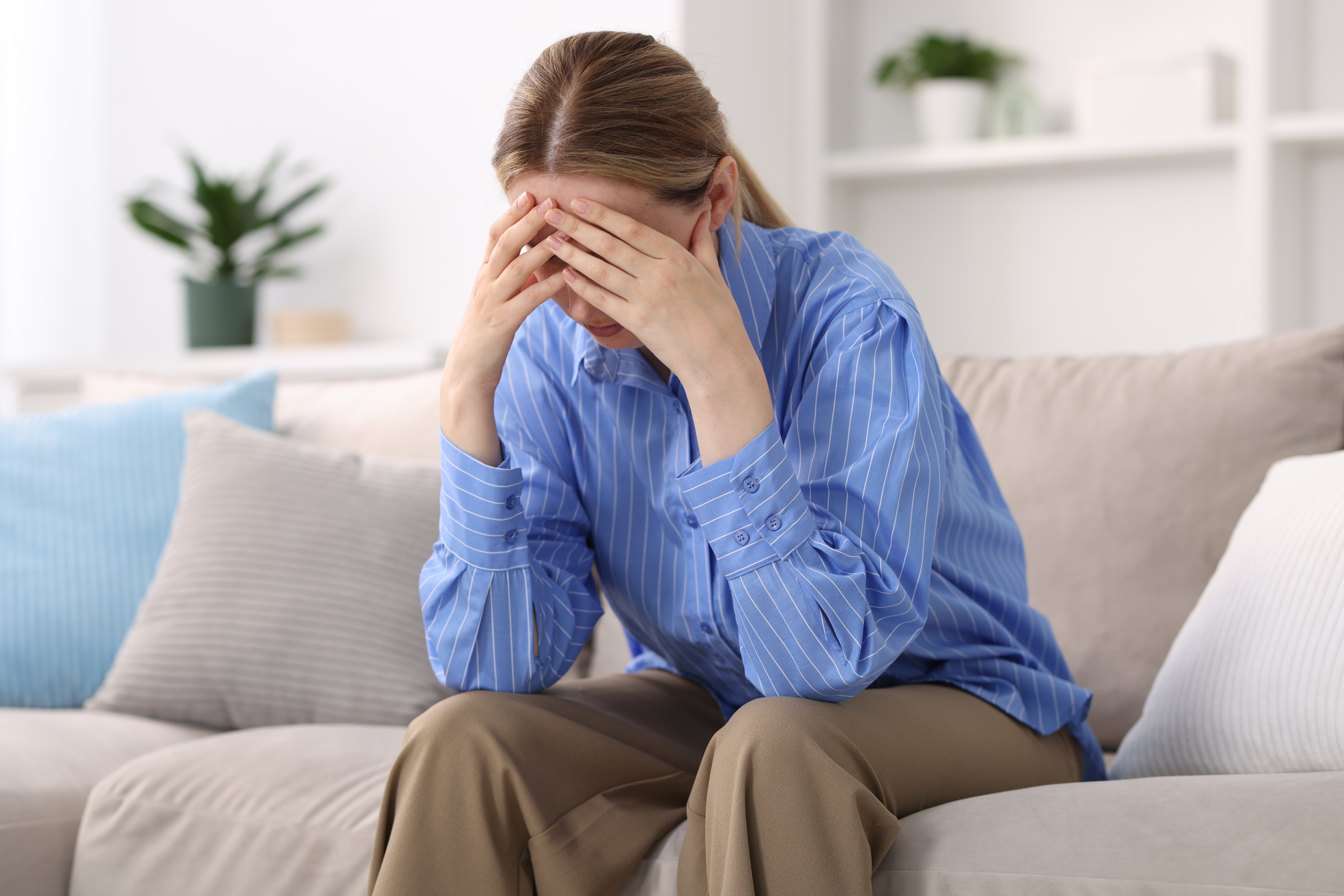
Why the Menstrual Cycle Is More Than a Reproductive Event
Most people are taught to think of the menstrual cycle as something that happens in the uterus.
A period arrives. Bleeding starts. Cramps may come with it. Then the cycle resets and the month moves on.
But the menstrual cycle is not only a reproductive event. It is a whole-body rhythm. Estrogen and progesterone do not stay contained in the pelvis. They interact with the brain, immune system, metabolism, nervous system, sleep, pain sensitivity, and even the way the body responds to stress.
That does not mean every symptom is hormonal. It does not mean every bad day can be explained by a cycle phase. Human biology is too layered for that.
But it does mean hormonal fluctuations can shape how a person feels, thinks, sleeps, moves, and recovers across the month.
The problem is that medicine and culture have often treated these changes as either irrelevant or exaggerated. In reality, they are neither. They are physiology.
The Problem With Calling It “Just Hormones”
The phrase “just hormones” has done a lot of damage.
It is often used to minimize symptoms that deserve attention: fatigue that derails work, pain that changes daily plans, mood shifts that feel out of proportion, brain fog that makes simple tasks harder, or migraines that show up predictably around the same time each month.
Hormones can be part of the explanation without making the symptom less real.
A person with cycle-related pain is not imagining pain. A person with premenstrual mood changes is not being dramatic. A person who feels mentally sharper one week and foggier the next is not lacking discipline. The body’s hormonal environment changes across the cycle, and the brain and nervous system respond.
The better question is not, “Is this hormonal?”
It is, “How are hormonal changes interacting with this person’s body?”
The Cycle Is a Moving Hormonal Landscape
The menstrual cycle is often divided into phases, but in real life it is less like a set of boxes and more like a changing landscape.
During menstruation, estrogen and progesterone are relatively low. Some people feel relief once bleeding starts. Others feel depleted, crampy, foggy, or more pain-sensitive.
In the follicular phase, estrogen begins to rise. For many, this is when energy, motivation, and mood gradually improve. Workouts may feel easier. Thinking may feel clearer. Social energy may return.
Around ovulation, estrogen peaks and then shifts. Some people feel their best here: more confident, more focused, more energized. Others experience ovulation pain, headaches, mood changes, or pelvic discomfort.
In the luteal phase, progesterone rises. This hormone can have calming effects for some people, but it can also bring sleepiness, bloating, breast tenderness, constipation, cravings, irritability, lower stress tolerance, and changes in focus. In the late luteal phase, both estrogen and progesterone fall. That drop can be especially noticeable for people prone to PMS, PMDD, migraines, pain flares, or mood symptoms.
None of this happens in isolation. Sleep, nutrition, stress, inflammation, medications, thyroid function, iron status, blood sugar, and underlying conditions can all change how strongly someone feels these shifts.
The cycle is not the only variable.
But it is a variable worth noticing.
Energy Is Often Cyclical
Energy across the cycle can change for several reasons.
Hormones influence sleep quality, body temperature, blood sugar regulation, fluid retention, and stress response. During the follicular phase, rising estrogen may be associated with more energy and better exercise tolerance for some people. During the luteal phase, progesterone can increase body temperature and may contribute to fatigue, sleep changes, or a heavier feeling in the body.
For some, this difference is subtle. For others, it is obvious.
A person may feel ready for harder workouts and more demanding work during one part of the cycle, then need more recovery and structure later in the month. This does not mean the body is unreliable. It means capacity changes.
The modern schedule does not care much about hormonal rhythm. Deadlines, caregiving, school, work, travel, and appointments rarely adjust to the cycle. But noticing energy patterns can still help. It may guide when to schedule harder training, deeper work, social commitments, or extra rest when possible.
The goal is not to organize life perfectly around the cycle.
The goal is to stop treating predictable changes as personal failure.
Mood Changes Are Physical Too
Mood is often discussed as if it belongs only to psychology.
But mood is also biological.
Estrogen interacts with neurotransmitter systems involved in serotonin, dopamine, and other mood-related pathways. Progesterone and its metabolites can influence GABA activity, which affects calm, tension, sleep, and emotional regulation. When these hormones rise and fall, some people feel the effects more strongly than others.
This is why mood symptoms often cluster in the late luteal phase, when hormone levels shift downward before menstruation. Irritability, sadness, anxiety, tearfulness, low motivation, and emotional sensitivity can all appear during this window.
For many people, symptoms are uncomfortable but manageable. For others, they are severe enough to disrupt relationships, work, safety, and quality of life. That level of suffering should not be brushed off as normal PMS.
Common is not the same as harmless.
Cycle-related mood symptoms deserve the same seriousness as mood symptoms at any other time of the month.
Cognition Can Shift Across the Cycle
Brain fog is one of the more frustrating cycle-related symptoms because it can be hard to describe.
Someone may feel slower, less articulate, more distractible, or less able to handle complex tasks. They may forget words, lose track of details, or feel like the same work requires more effort.
This does not mean intelligence changes across the cycle. It means the conditions that support cognition may change.
Sleep quality, pain, inflammation, stress, blood sugar, and hormone fluctuations all affect attention and working memory. If the late luteal phase brings poorer sleep, more pain, lower mood, and more physical discomfort, cognition may suffer as a result.
This is where the cycle conversation needs nuance. Hormones may play a role, but they are often interacting with other systems.
The question is not whether the brain is “worse” at certain times.
The question is what the brain is being asked to function through.
Pain Sensitivity Is Not Constant
Pain can also fluctuate across the cycle.
Cramps are the most obvious example, but they are not the only one. Migraines, pelvic pain, joint pain, breast pain, back pain, bladder symptoms, digestive pain, and chronic pain flares can all follow hormonal patterns for some people.
Estrogen and progesterone influence inflammatory signaling, fluid balance, connective tissue, neurotransmitters, and pain processing. Prostaglandins, which rise around menstruation, can contribute to uterine cramping and may also affect the digestive tract, which is one reason some people experience diarrhea, nausea, or bowel changes around their period.
For people with conditions such as endometriosis, migraine, IBS, autoimmune disease, fibromyalgia, or chronic pelvic pain, cycle-related shifts can be especially pronounced.
This does not make the pain less legitimate.
If anything, predictability should make clinicians more curious, not less.
When Cycle Symptoms Are a Clue
A symptom that repeats at the same time each month is not random.
That pattern can be useful.
Migraines that appear before bleeding. Anxiety that spikes in the late luteal phase. Pain that flares around ovulation. Fatigue that worsens during heavy bleeding. Brain fog that arrives before the period. Digestive changes that track with cramps.
These patterns can help identify what might be worth evaluating.
Heavy bleeding may point toward iron depletion, fibroids, adenomyosis, bleeding disorders, thyroid issues, or other causes. Severe pelvic pain may raise questions about endometriosis or other pelvic conditions. Premenstrual mood symptoms may require evaluation for PMDD. Migraines may need hormone-aware treatment planning. Severe fatigue around menstruation may deserve iron, thyroid, sleep, and inflammation assessment.
The cycle is not just something to endure.
It can be a diagnostic map.
The Trap of Over-Normalizing
There is a fine line between explaining symptoms and normalizing suffering.
Yes, the cycle can affect energy, mood, cognition, and pain. No, that does not mean people should simply accept severe symptoms as part of being in a female body.
Missing school, missing work, planning life around pain, feeling emotionally destabilized every month, bleeding heavily enough to interfere with daily life, or needing several days to recover from a period should not be dismissed as routine.
The body may be following a hormonal rhythm, but the intensity of that rhythm still matters.
A useful question is: does this symptom change how you live?
If the answer is yes, it deserves attention.
What Helps Is Often Not One Thing
Cycle-related symptoms are rarely solved by one universal intervention.
Sleep, nutrition, stress, movement, blood sugar balance, iron status, thyroid health, hydration, alcohol intake, caffeine, medications, contraceptive choices, pain management, and underlying diagnoses can all matter.
For some people, tracking symptoms for two or three cycles is the first useful step. Not because tracking fixes the symptom, but because it reveals timing. Once timing is clear, care becomes more specific.
A person with late-luteal mood symptoms may need a different plan than someone with ovulation pain, menstrual migraines, heavy bleeding, or cycle-related digestive flares.
The goal is not to biohack the cycle.
The goal is to understand the pattern well enough to respond to it.
The More Useful Question
Perhaps the better question is not whether hormones affect energy, mood, cognition, and pain.
They do.
The better question is how much they affect a specific person, what systems they are interacting with, and whether the symptoms are mild variations or signs that something needs support.
The menstrual cycle should not be treated as a monthly inconvenience detached from the rest of health. It is one of the body’s recurring signals. For some people, that signal is quiet. For others, it is loud enough to interfere with life.
Good medicine should know the difference.
Hormonal fluctuations are not an excuse to dismiss symptoms.
They are a reason to pay closer attention.
Ready to Understand Your Cycle More Clearly?
Cycle-related changes in energy, mood, cognition, and pain can reveal important patterns about the body. They should not be minimized as “just hormones,” and they should not be treated as something you simply have to endure.
At The Integrated Health Journal, we help readers make sense of women’s health, hormone patterns, preventive care, and the symptoms that often fall into the gray area between “normal” and worth investigating. Your cycle is not separate from your health. It is part of the story.