

High blood pressure can damage arteries for years without causing pain. Prediabetes may progress while energy and appetite feel ordinary. Early kidney disease often has no obvious warning. Waiting to feel sick is a poor strategy for conditions that develop quietly.
Prevention does not require hunting for every possible disease. It requires knowing which risks matter for you, using proven screening at appropriate intervals, and changing the exposures that drive several chronic conditions at once.
Symptoms Arrive Late in Many Chronic Conditions
The body can compensate for gradual change. Arteries stiffen, insulin production rises, kidney filtration declines, and bone becomes thinner without producing a clear daily signal. By the time symptoms interfere with work or sleep, the underlying process may be well established.
This is why preventive care uses measurements instead of waiting for discomfort. Blood pressure, cholesterol, blood glucose, cancer screening, and a family history can identify risk before a person considers himself ill. The Centers for Disease Control and Prevention recommends regular preventive services alongside tobacco avoidance, healthy eating, movement, adequate sleep, and limited alcohol use.
Start With a Personal Risk Map
Family History
Record major illnesses in parents, siblings, and grandparents, including the age at diagnosis. Heart attack at 48 carries different information than heart disease at 88. Note colon, breast, ovarian, and prostate cancers; diabetes; stroke; kidney disease; osteoporosis; and inherited lipid disorders. Share updates with your clinician.
Current Exposures
Smoking, secondhand smoke, blood pressure, sleep, physical activity, alcohol, diet, and occupational exposures affect more than one organ system. A job involving silica dust, night shifts, solvents, or repetitive strain changes which questions belong in a preventive visit.
Past Results
A single “normal” test does not erase a trend. Bring prior blood pressure readings and laboratory results when changing clinicians. A glucose value climbing within the reference range or a steady fall in kidney function may matter before either crosses a threshold.
Use Screening That Has Evidence Behind It
More testing is not automatically more preventive. A screening test should detect a meaningful condition early enough to improve outcomes, and its benefits should outweigh false alarms, unnecessary procedures, and overdiagnosis.
Recommendations differ by age, anatomy, pregnancy history, family history, smoking exposure, and previous results. The U.S. Preventive Services Task Force publishes evidence-based recommendations for services such as blood pressure measurement, colorectal cancer screening, diabetes screening, and tobacco counseling. A clinician should adapt them to the individual rather than order a universal panel.
Blood Pressure Deserves More Than One Office Reading
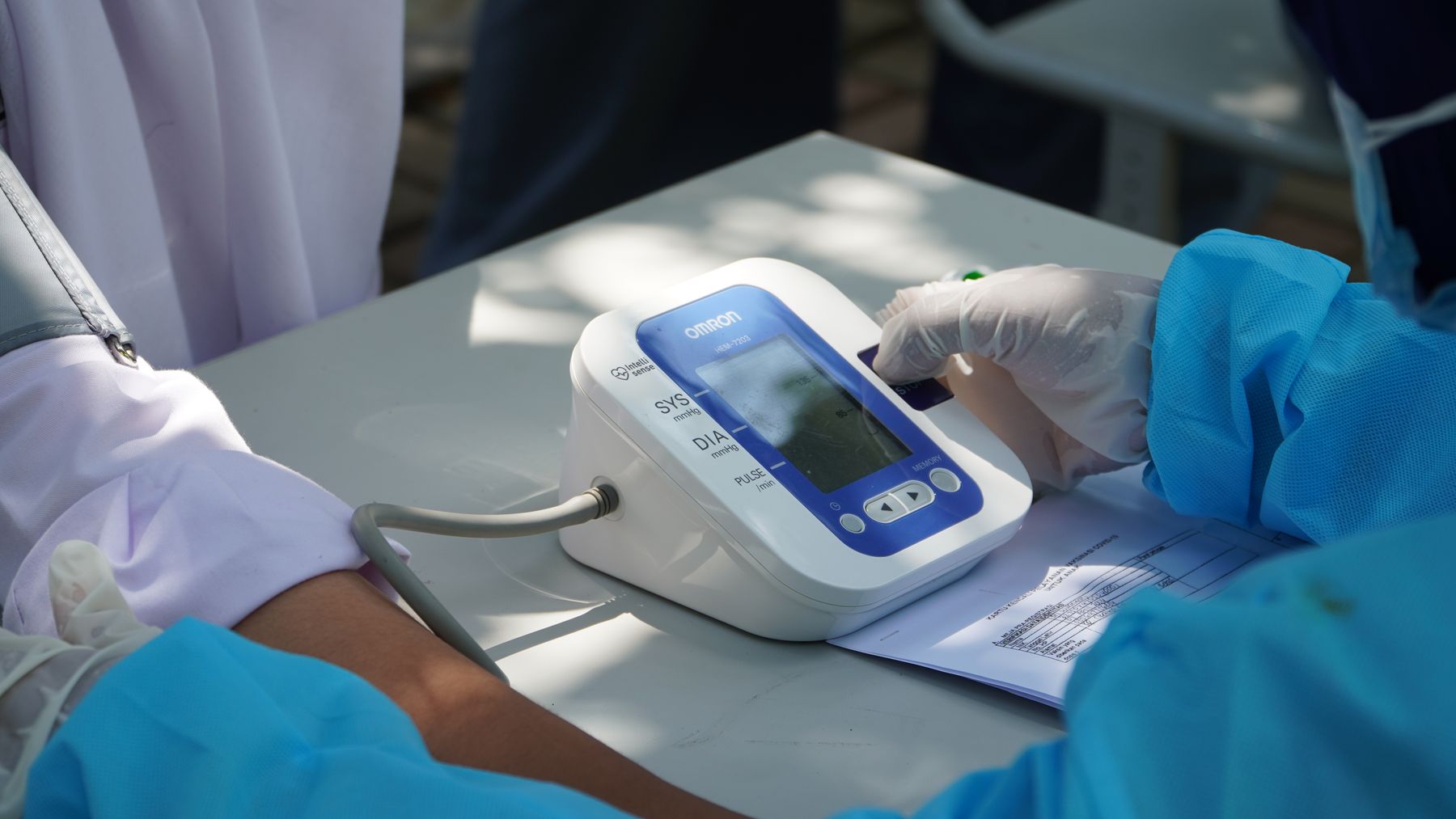
Blood pressure changes with stress, pain, caffeine, medication, and measurement technique. An office result should be repeated, and many people benefit from validated home readings. Sit quietly, support the arm, use the correct cuff size, and measure at consistent times.
A week of readings can separate a persistent pattern from a stressful appointment. It can also reveal masked hypertension, in which office numbers appear acceptable but readings elsewhere are high. Discuss the record instead of adjusting medication alone.
Metabolic Risk Is a Cluster
Waist size, blood pressure, glucose, triglycerides, HDL cholesterol, sleep apnea, liver fat, and family history often travel together. Looking at only weight misses people with substantial risk at a lower body mass and can overstate risk in others.
Ask what your glucose test actually measured and whether follow-up is needed. Fasting glucose and A1C reflect different windows and can be affected by certain medical conditions. Early changes in food pattern, movement, sleep, and medication may prevent or delay type 2 diabetes.
Protect the Heart Before It Hurts
Heart disease prevention begins long before chest pain. Blood pressure, cholesterol, tobacco exposure, diabetes, kidney function, physical activity, and family history shape risk. A formal risk estimate can help decide whether lifestyle changes alone are reasonable or medication deserves discussion.
Do not assume a fitness routine cancels smoking, severe hypertension, or very high LDL cholesterol. Exercise is powerful, but risk factors add and interact. Likewise, one abnormal number does not define the whole person.
Cancer Prevention Includes Screening and Exposure Reduction
Screening schedules matter, but prevention also includes avoiding tobacco, limiting ultraviolet exposure, receiving recommended vaccines, moderating alcohol, and addressing occupational hazards. Screening can find some cancers early; it cannot compensate for every ongoing exposure.
Report persistent bleeding, a new lump, unexplained weight loss, a changing mole, difficulty swallowing, or a lasting change in bowel or bladder habits. Screening applies to people without symptoms. A symptom requires evaluation even if the next routine screen is years away.
Kidneys and Liver Rarely Ask for Attention Early
Diabetes and high blood pressure are major drivers of kidney disease. Blood and urine tests may reveal trouble before swelling, nausea, or fatigue develops. People with higher risk may need urine albumin testing in addition to a standard metabolic panel.
Fatty liver disease can also be quiet. Risk rises with diabetes, metabolic dysfunction, and some medications. Liver enzymes alone do not answer every question, so clinicians may use risk scores or imaging when the history supports it.
Teeth, Eyes, Hearing, and Bone Belong in the Plan
Prevention is wider than an annual blood draw. Dental disease affects eating and can signal broader health problems. Eye examinations may detect glaucoma, diabetic changes, or medication effects. Hearing loss can increase isolation and make medical communication harder. Bone health matters before the first fracture.
The correct interval depends on age and risk. Build these visits into a calendar instead of waiting for pain or sudden loss of function.
Behaviors With Wide-Ranging Returns
A few habits influence many chronic diseases. Tobacco cessation lowers cardiovascular, cancer, lung, and diabetes risk. Regular movement supports blood pressure, glucose control, mood, sleep, bone, and mobility. A dietary pattern built around vegetables, fruit, legumes, whole grains, nuts, and adequate protein improves several risk pathways without requiring a perfect menu.
Sleep and alcohol deserve honest attention. Short sleep affects appetite, glucose, blood pressure, and mental health. Alcohol raises cancer and liver risk even when a person never feels intoxicated. Review actual amounts rather than relying on labels such as “social drinker.”
Turn Results Into Follow-Up
Screening only helps when abnormal results lead somewhere. Before leaving a visit, ask when results will arrive, who will explain them, and when a test should be repeated. Keep a short personal record of diagnoses, medicines, allergies, vaccines, and major results.
Do not try to fix ten risk factors in one week. Choose the change with the largest likely return and a realistic path: start blood pressure treatment, arrange a colonoscopy, stop smoking with medication and counseling, walk after dinner, or address sleep apnea. Then add the next step.
Getting ahead of chronic disease is quieter than treating a crisis. There may be no dramatic symptom to resolve. The payoff is measured in events that do not happen, function that lasts, and more treatment choices when a problem is found early.