
Can You Get Pregnant During Perimenopause?

Pregnancy remains possible during perimenopause because ovulation can still occur unpredictably. Contraception and pregnancy planning both deserve a clear clinical plan.

Pregnancy remains possible during perimenopause because ovulation can still occur unpredictably. Contraception and pregnancy planning both deserve a clear clinical plan.

Colorectal cancer screening generally starts at 45 for average-risk adults, but symptoms, family history, prior polyps, and test choice can move the plan.
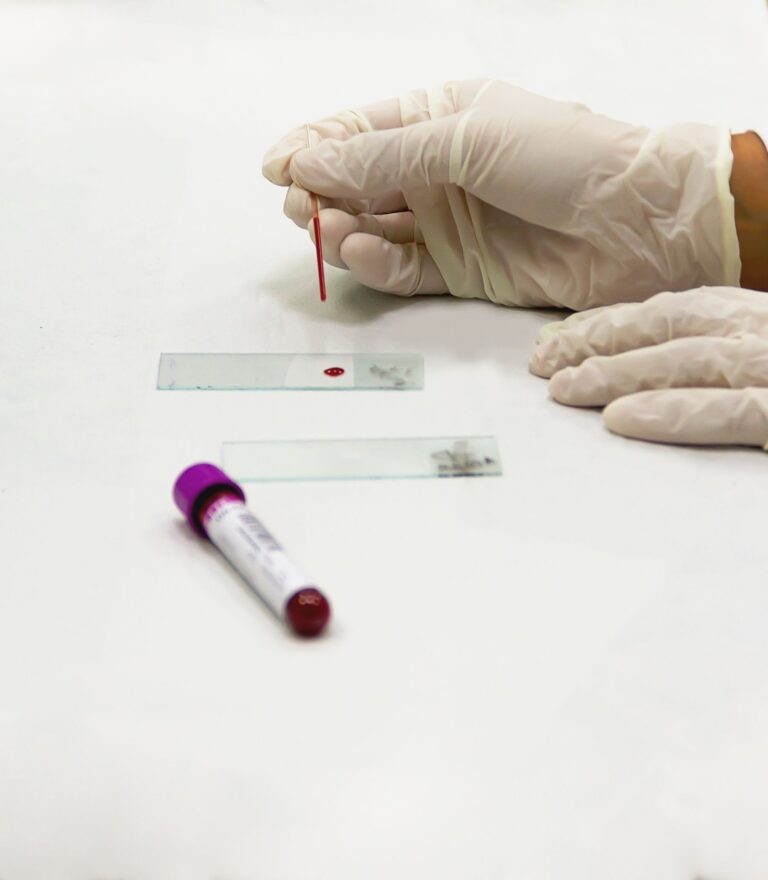
Fatty-liver prognosis depends far more on fibrosis stage and cardiometabolic health than on liver fat alone. Learn which tests clarify risk and what can improve the trajectory.

Histamine intolerance can resemble allergy, migraine, digestive disease, and medication reactions. Learn what the symptom pattern can show, where testing falls short, and how a supervised food trial works.
Vitamin D levels often change over weeks, while symptom and bone recovery can take longer. The timeline depends on the starting level, the cause, absorption, adherence, and follow-up testing.

Whole-body MRI can reveal unexpected findings, but evidence gaps, follow-up testing, and costs matter when healthy people consider screening.
A first pelvic floor therapy visit usually combines a detailed health history, whole-body movement assessment, consent-based exam options, and a practical care plan.
Electrolyte imbalance can cause weakness, cramps, confusion, or heart-rhythm changes. Learn which symptoms need testing, prompt care, or an emergency response.
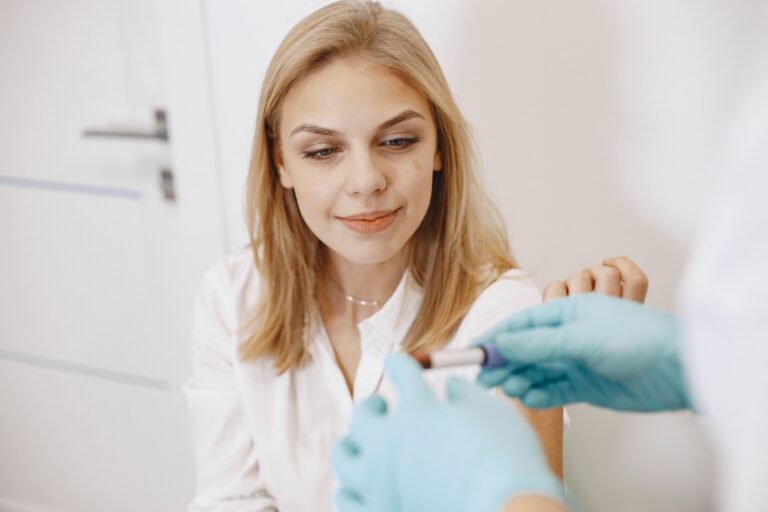
Insulin resistance often has no symptoms. Learn how PCOS, gestational diabetes, skin changes, and blood tests help reveal risk in women.

Preventive Tests Worth Discussing Before Symptoms Start Most serious diseases do not begin with a dramatic warning sign. High blood pressure can damage blood vessels for years without causing symptoms. Colorectal cancer may begin as a small polyp. Cervical cancer…