
When Should You Get a Colonoscopy? Age Risk and Symptoms Matter

Colorectal cancer screening generally starts at 45 for average-risk adults, but symptoms, family history, prior polyps, and test choice can move the plan.
Colorectal cancer screening generally starts at 45 for average-risk adults, but symptoms, family history, prior polyps, and test choice can move the plan.
Vitamin D levels often change over weeks, while symptom and bone recovery can take longer. The timeline depends on the starting level, the cause, absorption, adherence, and follow-up testing.

Whole-body MRI can reveal unexpected findings, but evidence gaps, follow-up testing, and costs matter when healthy people consider screening.

Preventive Tests Worth Discussing Before Symptoms Start Most serious diseases do not begin with a dramatic warning sign. High blood pressure can damage blood vessels for years without causing symptoms. Colorectal cancer may begin as a small polyp. Cervical cancer…
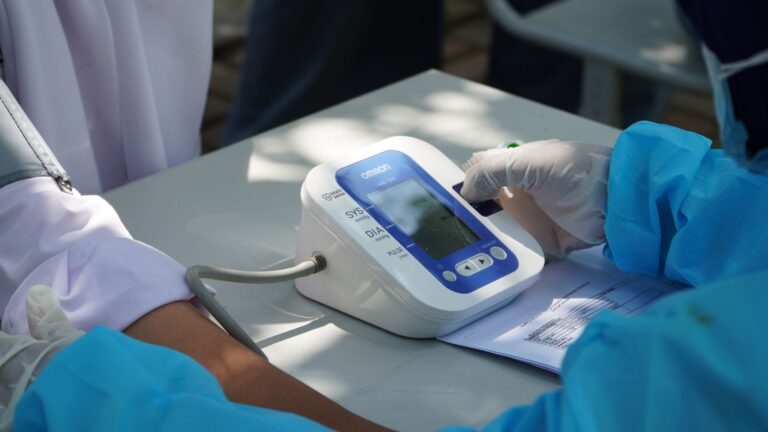
Many chronic conditions develop quietly. A personal risk map, evidence-based screening, and timely follow-up can identify problems while more options remain.
Preventive care changes across adulthood. A practical routine combines timely screening, vaccines, accurate health measurements, family history, and a short list of priorities that can survive a crowded year.