
-

How Sleep, Stress, and Hormones Are Quietly Running Your Metabolism
Sleep, circadian timing, stress, insulin, thyroid and reproductive hormones influence appetite, glucose handling, movement, and the sustainability of weight management.
-

Is Sleep Apnea Genetic? How Anatomy, Weight, and Family History Interact
Sleep apnea can run in families through shared anatomy and other inherited traits. Learn how genetics, weight, age, and symptoms shape risk.
-

The Rise of Regenerative Medicine: PRP, Stem Cells, and What’s Actually Proven
PRP, stem cells, and exosome products differ sharply in evidence and regulation. This evidence-tiered guide separates established uses from promising research and unsupported claims.
-

How Male Fertility Changes With Age
Male fertility changes gradually with age. Understand how sperm quality, conception timing, health factors, and family planning fit together.
-

The Link Between Oral Health and Heart Disease Is Stronger Than Most People Realize
Gum disease and cardiovascular disease share risks and plausible biological links. The association matters, but dental treatment is not a replacement for established heart prevention.
-

Magnesium Citrate and Glycinate Have Different Uses and Side Effects
Magnesium citrate has a clear laxative role, while glycinate is often chosen for tolerance. Compare elemental dose, evidence, kidney safety, and medicine timing before choosing a form.
-
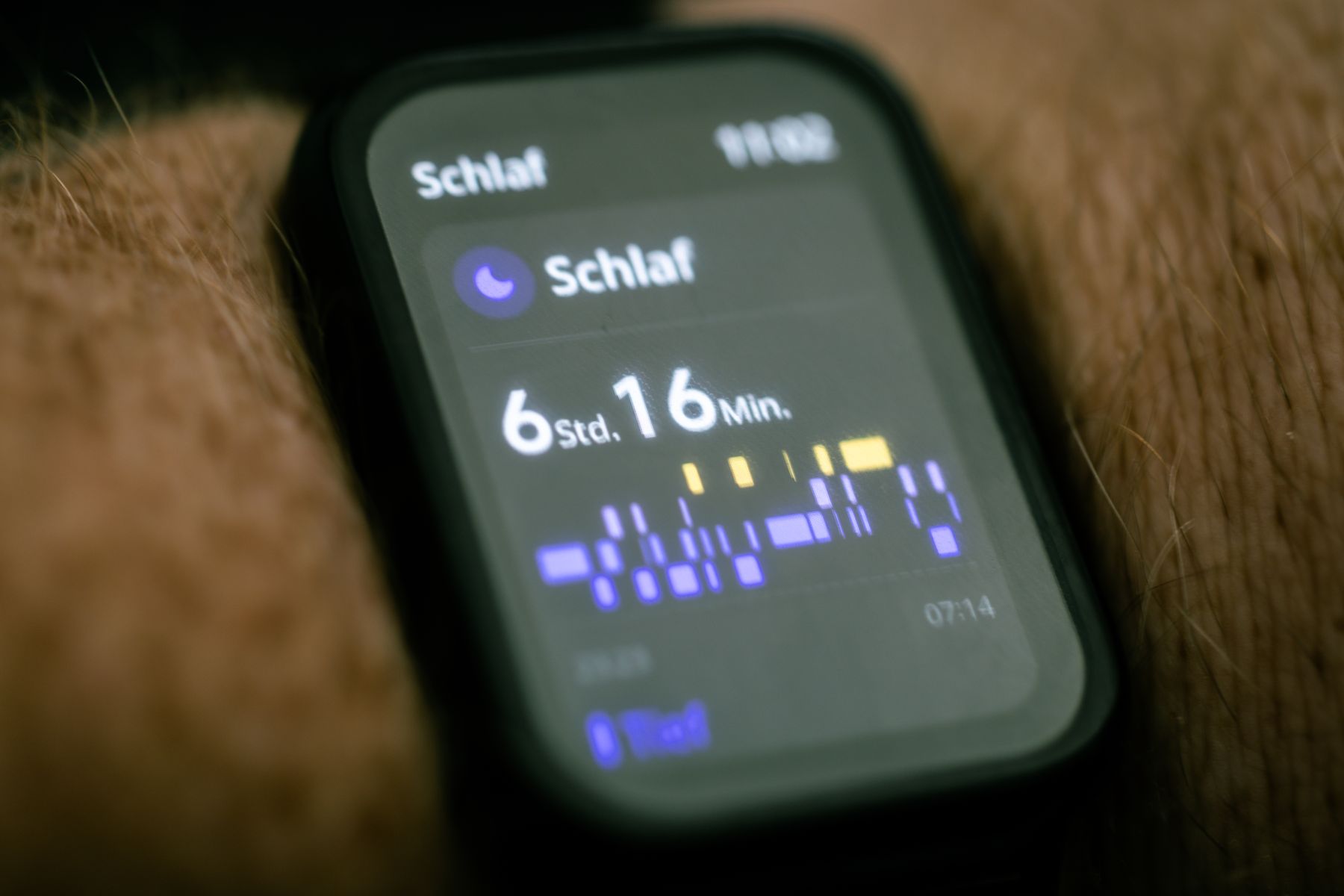
Sleep Trackers: Are They Making You Sleep Better or Just More Anxious?
Sleep trackers can reveal useful patterns, but a nightly score can also make people distrust how they feel and chase measurement precision the device cannot provide.
-
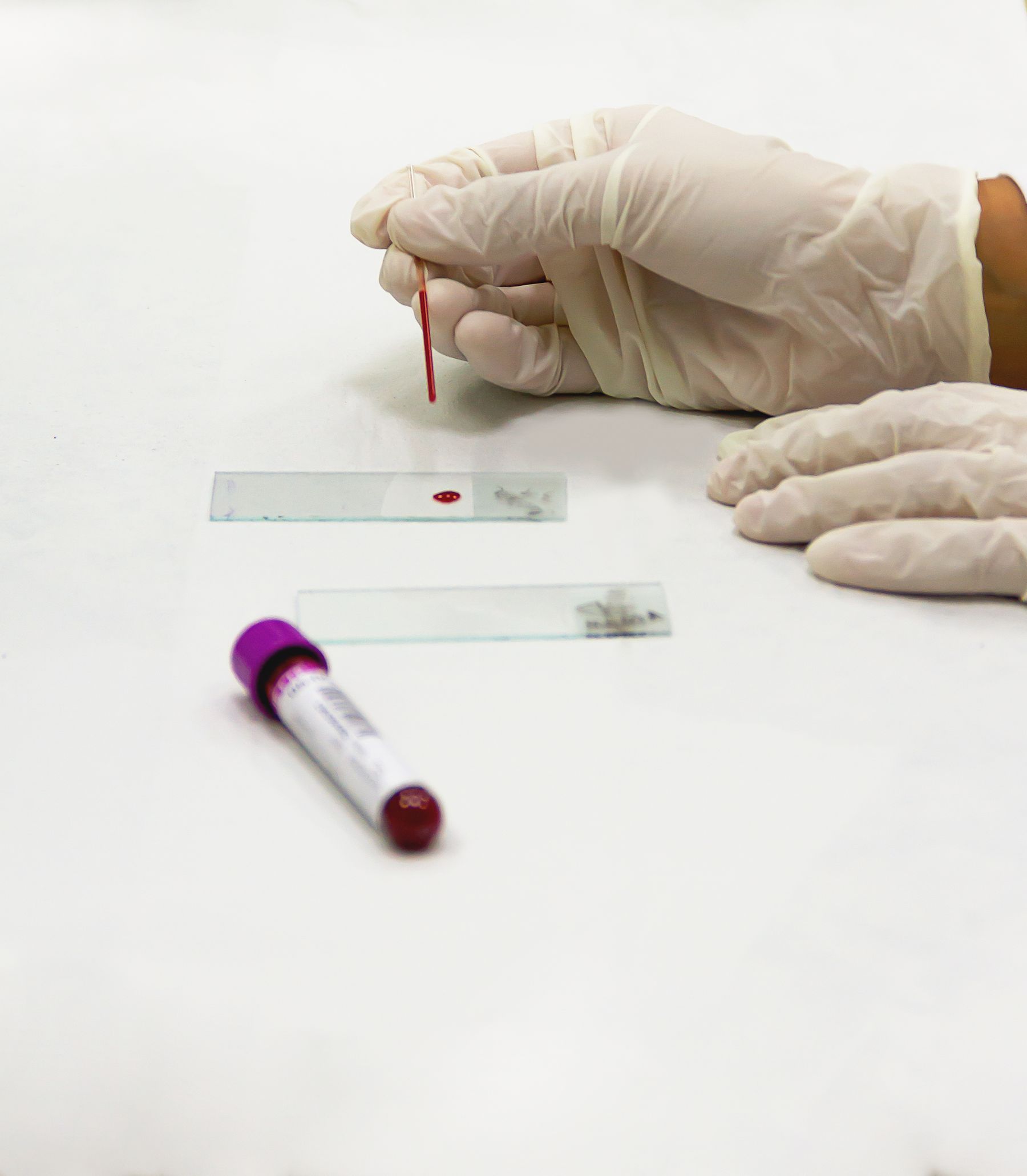
The Lab Tests Your Doctor Isn’t Ordering (But Probably Should)
Routine panels answer useful questions, but risk, symptoms, medicines, and family history may justify more focused testing—and may also make some popular tests a poor choice.
-
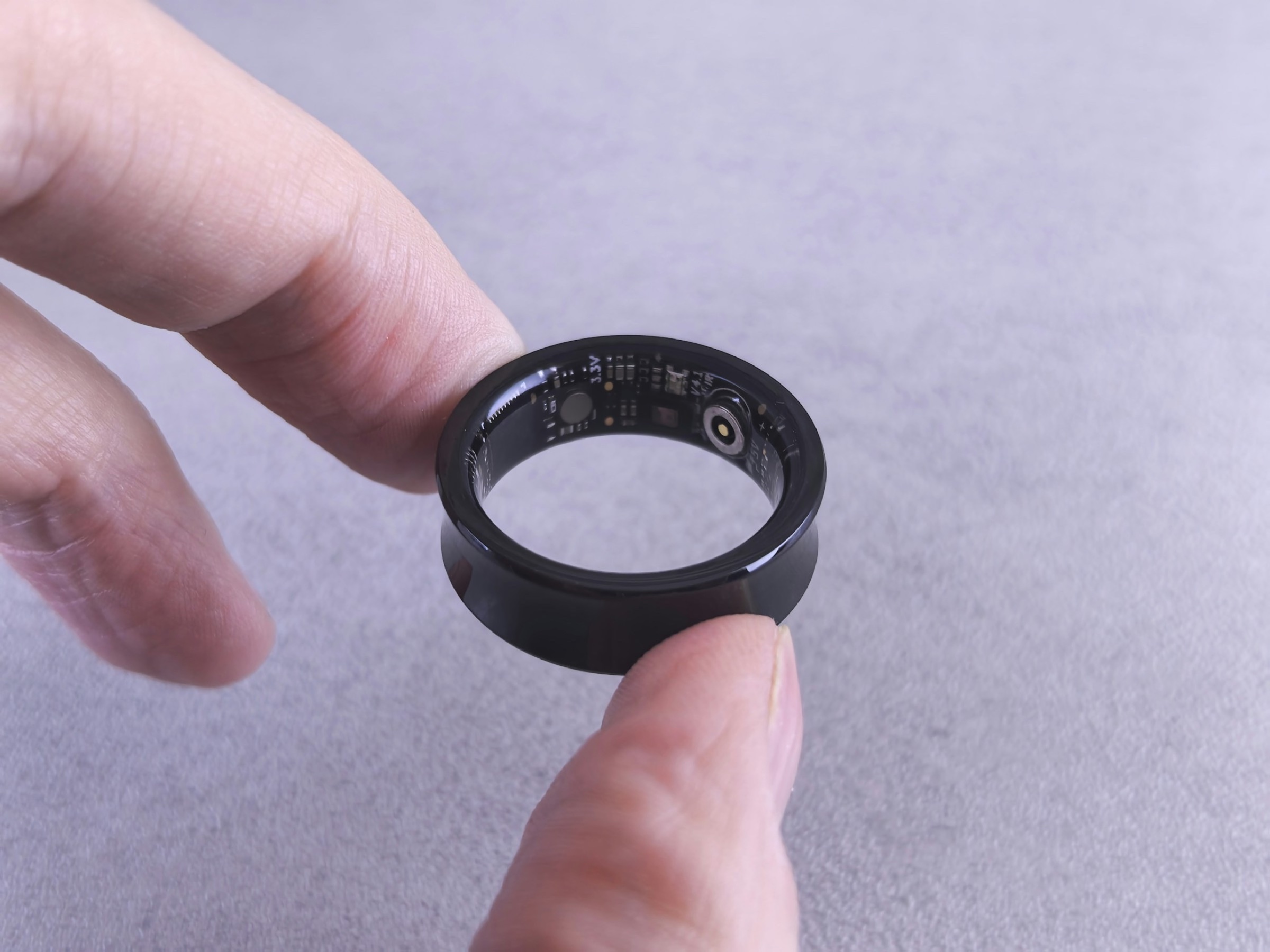
Are Smart Rings Accurate Enough to Guide Health Decisions?
Smart rings can track overnight pulse and broad sleep patterns, while readiness and stress scores remain estimates. Use trends before changing a routine.
-

Ozempic Face, Filler Fatigue, and the New Conversation Around Aging Gracefully vs. Intervening
Facial changes after major weight loss and growing fatigue with cosmetic maintenance are reshaping how patients think about aging and intervention.
-

How to Improve Working Memory Without Falling for Brain-Training Hype
Working memory improves through realistic practice, fewer competing demands, and useful external supports. Brain-training scores tell only part of the story.
-

Why Calorie Counting Keeps Failing People — and What Metabolic Research Suggests Instead
Calorie totals can teach portion awareness, but appetite, metabolism, sleep, food quality, and daily life keep changing the equation.