

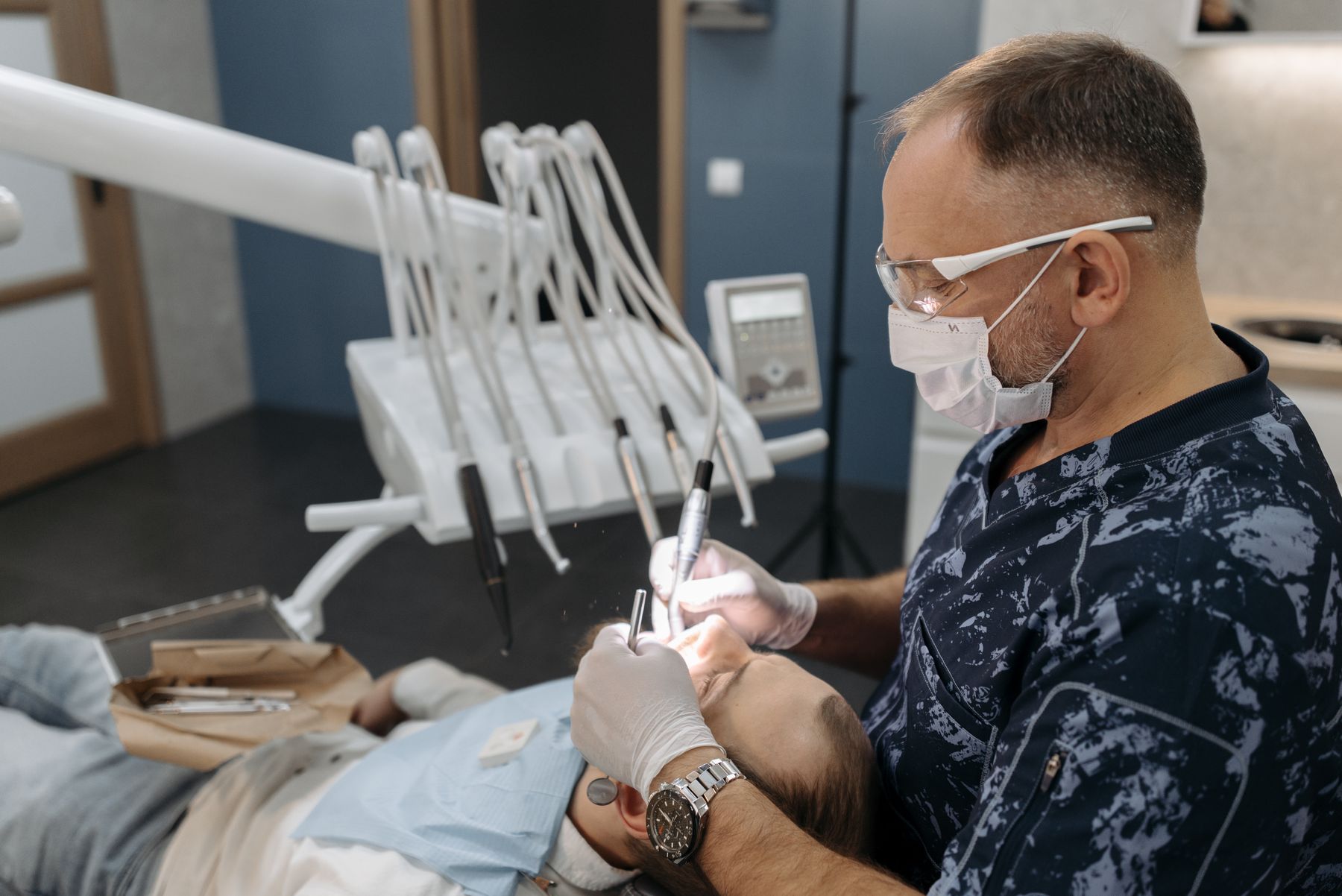
Bleeding gums and coronary artery disease can appear in the same person for reasons that reach beyond the mouth. Smoking, diabetes, age, diet, access to care, and socioeconomic conditions affect both. Researchers have also found biological pathways that could connect periodontal inflammation with the blood vessels.
The association is real enough to take seriously, but it is easy to overstate. Treating gum disease is important for oral health. It has not been proven to prevent a heart attack in the way blood-pressure treatment, cholesterol management, tobacco cessation, and appropriate diabetes care can.
What Periodontitis Does
Gingivitis begins with inflamed gums and may cause redness or bleeding. Periodontitis is deeper disease. The inflammation damages the tissues and bone that support teeth, creating pockets around them and eventually leading to looseness or tooth loss.
The process is driven by a dysregulated response to bacteria in dental plaque. It can remain painless for a long time. Bleeding while brushing, persistent bad breath, gum recession, tooth movement, and changes in bite warrant dental evaluation.
Why the Heart Entered the Conversation
Inflammation
Periodontitis creates a chronic inflammatory burden. Inflammatory signals can circulate beyond the gums, and inflammation is involved in the development and instability of atherosclerotic plaque. This makes a connection biologically plausible.
Bacteria in the Bloodstream
Inflamed gum tissue can allow oral bacteria or their products to enter the bloodstream, especially during chewing or brushing. Researchers have detected oral bacterial material in atherosclerotic plaques. Finding it there does not by itself prove that it caused the plaque or a later cardiovascular event.
Shared Risk Factors
Diabetes can worsen gum disease, and severe gum inflammation can make glucose control more difficult. Smoking strongly affects both periodontal and cardiovascular risk. Age, obesity, alcohol, nutrition, and limited access to preventive care further complicate the relationship.
What the Evidence Shows
People with periodontal disease have higher rates of atherosclerotic cardiovascular disease in observational research. The American Heart Association’s 2025 scientific statement summary describes growing evidence linking gum disease with heart attack, stroke, atrial fibrillation, heart failure, and cardiometabolic conditions.
Association does not settle causation. People who receive regular dental care may also have better medical access, higher income, lower smoking rates, or other protective factors. Researchers attempt to adjust for these differences, but no statistical model captures every one.
Does Treating Gum Disease Protect the Heart?
Periodontal treatment can reduce bleeding, preserve teeth, improve chewing, and lower local inflammation. Some studies show temporary improvement in inflammatory markers or blood-vessel function. Evidence that treatment directly prevents heart attacks or strokes remains incomplete.
The AHA’s earlier evidence review cautioned that claims of a proven causal relationship were unwarranted. Its scientific summary emphasized that gum disease and atherosclerosis frequently occur together while shared risks and research limitations complicate conclusions. Newer evidence has strengthened the association without turning dental treatment into a substitute for established cardiovascular prevention.
Endocarditis Is a Different Issue
Infective endocarditis is an infection of the inner lining or valves of the heart. Certain dental procedures can briefly introduce oral bacteria into the blood. Only a small group of patients at highest risk of a severe outcome need preventive antibiotics before specific dental procedures.
This group can include people with certain prosthetic heart valves, a previous episode of infective endocarditis, or particular congenital heart conditions. Most people with a heart murmur, coronary stent, pacemaker, or prior bypass surgery do not need dental antibiotic prophylaxis solely for that reason. The cardiologist and dentist should confirm individual guidance.
Oral Signs Can Point Toward Broader Risk
A dentist may be the clinician a person sees most consistently. Repeated high blood pressure in the dental chair, severe gum disease at a young age, dry mouth from medication, or delayed healing can prompt medical follow-up.
Dental and medical records often remain separate. Tell the dentist about diabetes, cardiovascular disease, blood thinners, osteoporosis medicines, joint replacements, and recent procedures. Tell the medical clinician about severe periodontal disease, frequent dental infections, or planned oral surgery.
What Daily Care Can Accomplish
Brush the Gumline
Brush twice daily with fluoride toothpaste using gentle pressure. Angle the bristles toward the gumline and clean for about two minutes. Aggressive scrubbing can damage gums without improving plaque removal.
Clean Between Teeth
Floss, interdental brushes, or a water flosser can reach areas a toothbrush misses. The best tool is one that fits the spaces and can be used consistently. A dental professional can demonstrate technique and recommend sizes.
Keep Preventive Visits
The appropriate cleaning and examination interval depends on disease history and risk. Someone receiving periodontal maintenance may need visits more often than a person with healthy gums. Persistent bleeding should be assessed rather than treated as an inevitable result of flossing.
Control the Risks Shared by Mouth and Heart
Stop smoking with evidence-based support. Manage blood pressure, cholesterol, and diabetes. Choose a dietary pattern that limits frequent sugar exposure and supports cardiovascular health. Stay physically active and attend both dental and medical follow-up.
These steps do not require deciding whether every part of the oral-heart relationship is causal. They address known risks on both sides.
When to Seek Care Promptly
Facial swelling, fever with dental pain, difficulty swallowing, or trouble breathing can signal a spreading dental infection and needs urgent care. Chest pressure, sudden shortness of breath, fainting, or signs of stroke require emergency evaluation rather than a dental appointment.
For less urgent concerns, schedule a dental examination for gums that bleed repeatedly, recede, or feel tender; persistent bad breath; loose teeth; or a change in bite. Ask for a periodontal assessment if the problem continues.
The mouth is part of the body, and separating dental care from medical care obscures useful information. Healthy gums should be protected because they preserve comfort, nutrition, speech, and teeth. Their relationship with cardiovascular health adds another reason for clinicians to communicate carefully without promising that flossing alone can prevent heart disease.