

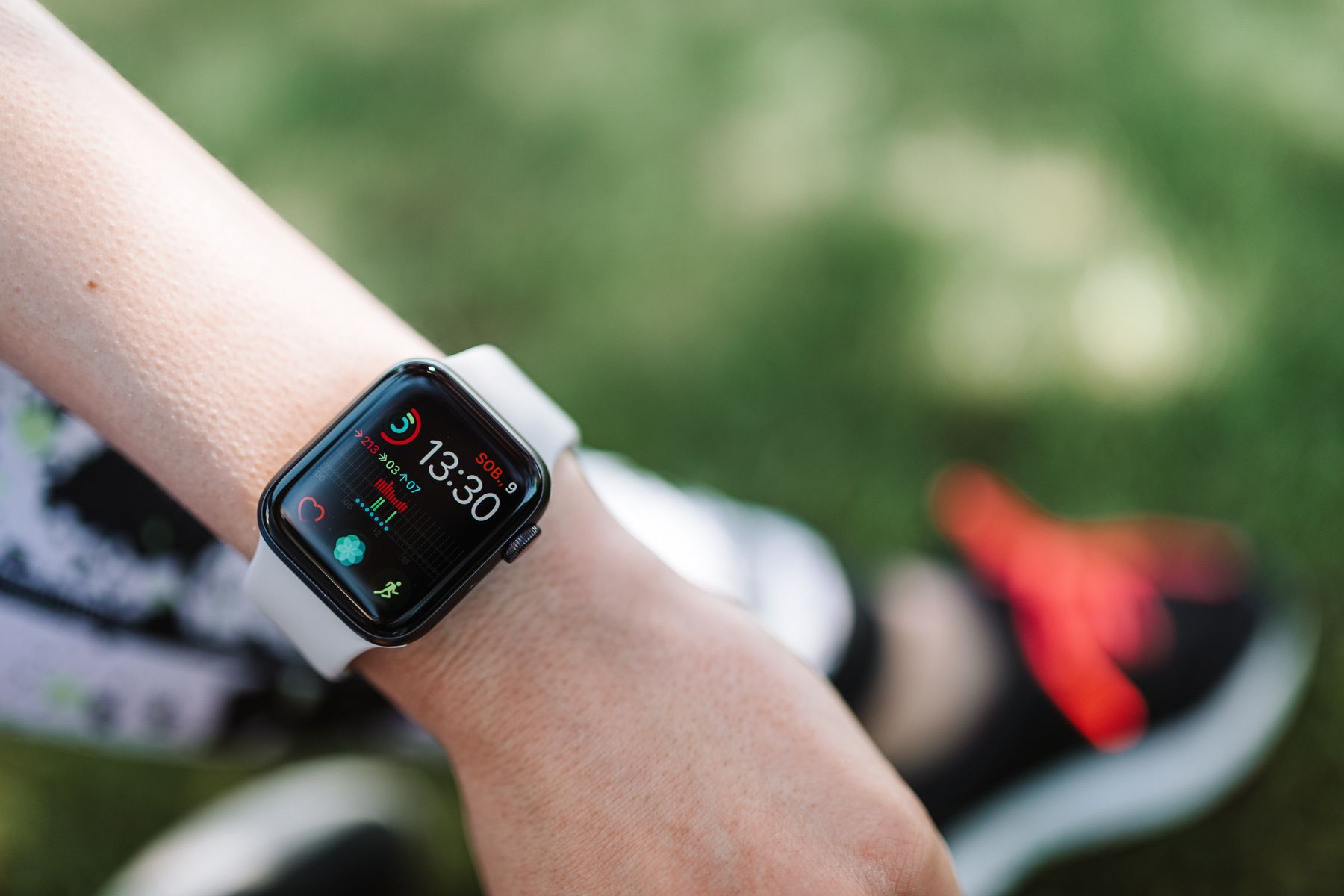
The watch on my wrist once congratulated me for sleeping while I was awake, reading in bed. The next morning it warned that my recovery was poor even though I felt rested and ready to train. Neither result made the device useless. It made the limits of the measurement obvious.
Wearables can count steps, estimate sleep, record heart rate, flag an irregular rhythm, and turn a week of ordinary life into a screen full of trends. That information can help people notice patterns that memory misses. It can also create a daily exam that no one agreed to take.
What Consumer Devices Measure Directly
Most wrist devices detect motion with an accelerometer and pulse changes with optical sensors. Some include an electrical sensor that can record a short, single-lead electrocardiogram. The device combines those signals with age, sex, movement, and proprietary formulas to estimate sleep stages, energy use, fitness, stress, and recovery.
Heart rate is relatively direct when the sensor has good contact and the wearer is still. Calorie burn, deep sleep, and a readiness score are further down the chain of inference. A polished number may rest on several assumptions.
The Food and Drug Administration’s overview of wireless medical devices explains that connected tools can improve monitoring and access while also introducing issues involving cybersecurity, performance, and correct use. A feature cleared for one purpose should not be assumed to diagnose every condition that might affect the same signal.
Why HRV Attracts So Much Attention
Heart rate variability, or HRV, describes small changes in the time between heartbeats. A healthy heart does not beat like a metronome. The intervals respond to breathing, posture, exercise, sleep, illness, alcohol, emotional stress, and the balance of the autonomic nervous system.
Higher is not universally better. HRV differs greatly between people and tends to change with age, fitness, medication, and measurement method. A number that is ordinary for one person may be unusual for another. For everyday use, a personal trend collected under similar conditions is usually more informative than comparison with a friend or an influencer.
A low reading after travel, a hard workout, or several drinks may match what the body is experiencing. One unexpected reading is rarely a verdict. If the number stays far from your baseline and you also feel unwell, the symptoms deserve attention regardless of the app’s interpretation.
Trends Can Reveal What Memory Smooths Over
People are poor at reconstructing weeks of sleep, movement, or symptoms. A wearable can show that bedtime drifts later on work nights, walking falls during busy periods, or resting heart rate rises during an illness. Those patterns can support a practical change.
The best insight is often simple: a ten-minute walk after lunch consistently raises daily movement; alcohol near bedtime is followed by a higher overnight pulse; training performance falls after several short nights. The device did not discover a hidden disease. It made a recurring behavior visible.
The Accuracy Depends on the Task
Devices perform differently across activities, skin contact, body types, and brands. Wrist movement can interfere with pulse readings during intervals or strength training. Sleep algorithms infer sleep from stillness and heart signals rather than measuring brain waves, eye movements, and muscle activity as a clinical sleep study does.
The National Heart, Lung, and Blood Institute describes polysomnography as a monitored test that records brain waves, heart rate, breathing, oxygen, and body movements. A consumer tracker can prompt a useful conversation, but it cannot reproduce that evaluation.
Accuracy also has a human side. A precise step count is unhelpful if chasing it aggravates an injury. A slightly imperfect activity trend may be useful if it encourages consistent movement. Judge the metric by both its technical quality and the decision it drives.
More Data Can Produce Worse Decisions
A readiness score can become permission to ignore the body. Someone may skip a planned easy session because the screen is red, despite feeling well, or push through dizziness because the screen is green. The hierarchy should run in the other direction: symptoms and clinical advice first, data as supporting context.
Sleep tracking has its own trap. Worry about achieving ideal sleep numbers can make sleep harder. A person may feel refreshed until an app labels the night poor, then spend the day searching for evidence of fatigue. If removing the device improves sleep or reduces rumination, that is meaningful information.
Alerts Need a Plan
Irregular-rhythm notifications and high or low heart-rate alerts can identify a reason to seek care. They can also produce false alarms. Before enabling every alert, decide what you will do with one. Know which symptoms require urgent care, which finding warrants a routine appointment, and which single reading should simply be repeated.
Chest pressure, fainting, severe shortness of breath, new weakness on one side, or a sustained racing heart with significant symptoms should not wait for another watch measurement. For a nonurgent notification, save the tracing and note what you were doing, how you felt, and which medicines or substances you had taken. That context helps a clinician interpret the result.
Data Privacy Is Part of the Health Decision
Wearable records may include location, sleep schedules, menstrual information, and heart data. Review what the company collects, where it is stored, whether it is used for advertising or research, and how to delete it. Health information entered into a consumer app may not receive the same protections as a hospital record.
Use a strong password and multifactor authentication when offered. Share reports deliberately. A clinician may benefit from a focused two-week trend; a folder containing years of screenshots can hide the useful signal.
A Practical Data Diet
Start with one question. If the goal is to walk more, use steps or active minutes. If the goal is to understand training recovery, follow resting heart rate, HRV trend, sleep duration, and how the body feels. If no decision changes because of a metric, hide it for a month.
Review trends weekly instead of grading every morning. Keep measurement conditions consistent where possible. Pair numbers with a short note about mood, soreness, illness, alcohol, travel, and training. That context often explains the graph better than another algorithm.
A wearable is most valuable when it fades into the background and supports a behavior you already chose. If it makes you move, sleep, or communicate with a clinician more effectively, the data are earning their place. If it turns normal variation into daily alarm, fewer metrics may give you a clearer view of your health.