

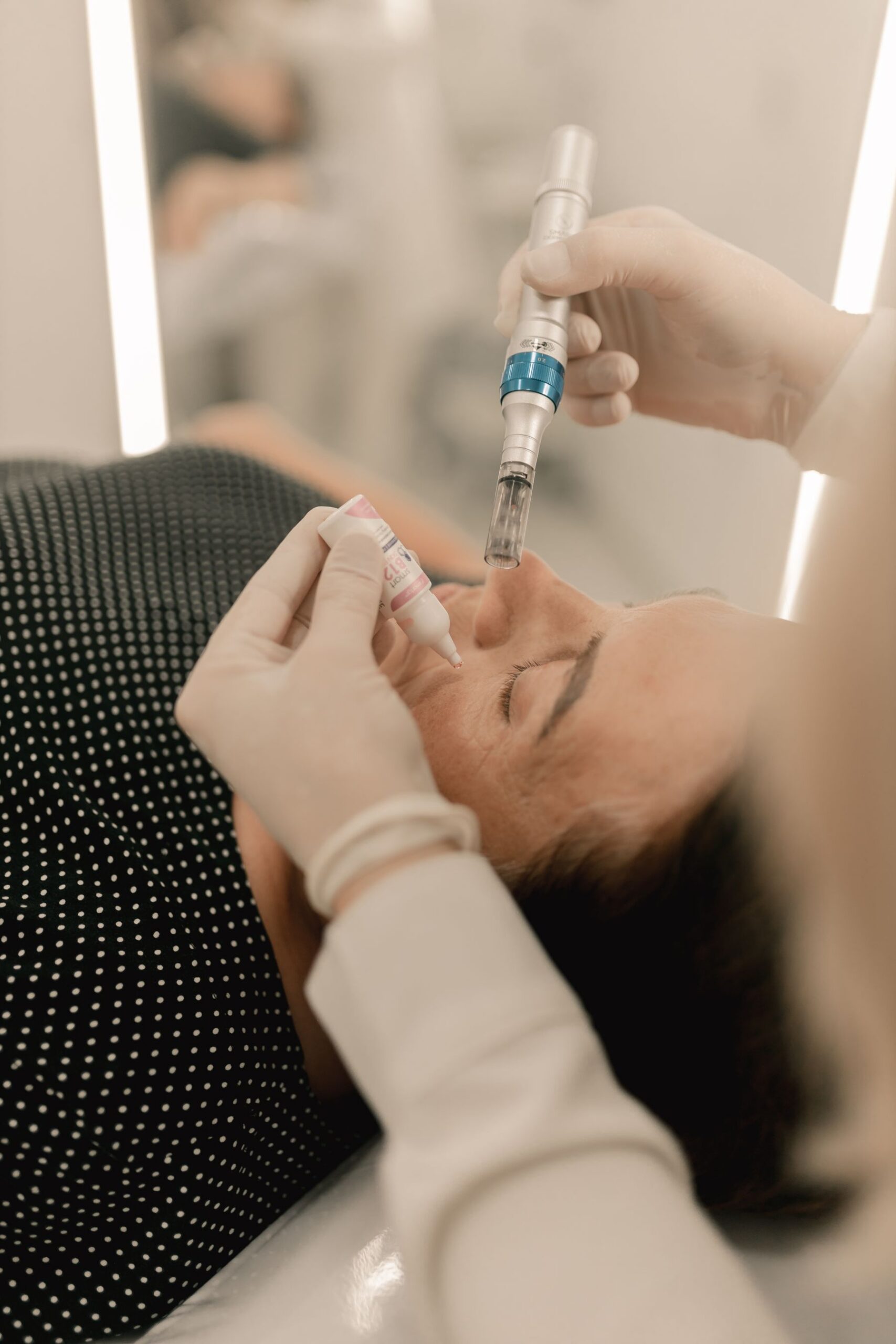
The mirror often looks more dramatic than the procedure felt. Freshly treated skin may appear red, tight, and slightly swollen, with tiny areas of pinpoint bleeding or crusting. During the first week after microneedling, restraint usually serves the skin better than an ambitious routine.
Aftercare should follow the instructions supplied by the licensed clinician and the specific device used. Needle depth, treatment area, radiofrequency energy, and products applied during the session can all change the recovery. The plan below describes common principles for professional microneedling and highlights symptoms that need medical attention.
The First 24 Hours
Your skin barrier has been deliberately disrupted. Treat the area as vulnerable tissue. Wash your hands before touching it, avoid picking, and use only the cleanser or moisturizer cleared by the treating clinician. If the office gave written directions, keep them nearby rather than relying on a generic product list.
The U.S. Food and Drug Administration lists redness, tightness, itching, peeling, discomfort, burning, bruising, bleeding, and crusting among common risks. Many of these reactions begin soon after treatment and resolve. The intensity should be interpreted in light of the device and needle depth used.
Heat and friction can amplify irritation. Many clinicians advise skipping hard exercise, hot baths, steam rooms, and saunas during the earliest recovery. A clean pillowcase and a quiet evening reduce unnecessary contact. Keep pets away from the treated skin.
Days Two And Three
Redness often begins to fade, while dryness or a sandpaper texture becomes more noticeable. Gentle cleansing and a simple moisturizer may be enough. Apply products with clean hands and stop if a product causes persistent burning or swelling.
Freshly treated skin can react strongly to ingredients that previously felt routine. FDA consumer guidance specifically notes sensitivity to retinol, glycolic acid, menthol, capsaicin, alcohol, cosmetics, moisturizers, and sunscreen after treatment. The treating clinician should tell you when to restart active ingredients. Adding acids, retinoids, scrubs, or at-home devices early can turn a manageable recovery into prolonged irritation.
Sun protection matters because inflammation can contribute to uneven pigment, especially in skin that readily develops dark marks. Use shade, a wide-brimmed hat, and the sunscreen formulation your clinician recommends once topical application is appropriate. Avoid deliberate tanning while the skin heals.
Days Four Through Seven
Flaking and mild roughness may continue as the surface recovers. Let loose skin shed on its own. Scrubs, cleansing brushes, exfoliating pads, and peels can create additional injury. Makeup timing varies; ask the office when the treated surface can safely tolerate it and start with clean applicators.
By the end of the first week, many people look closer to baseline. A deeper treatment can take longer. Visible improvement in scars or texture also takes longer than the surface recovery because collagen remodeling develops over weeks and may require more than one session. IHJ’s guide to what microneedling feels like during treatment and recovery explains why depth and treatment area shape the experience.
When A Reaction Needs Medical Attention
Contact the treating clinician when redness keeps spreading, pain intensifies after an initial improvement, or the area develops pus, foul drainage, warmth, or marked swelling. Fever, chills, or feeling acutely unwell can point to infection. A cluster of painful blisters may represent a cold-sore flare and deserves prompt evaluation, especially when the treated area is near the mouth.
New dark or light patches, lines, persistent crusting, or slow healing also merit follow-up. The FDA lists pigment changes, facial lines, swollen lymph nodes, infection, and herpes reactivation among less common risks. Sudden facial swelling, trouble breathing, or signs of a severe allergic reaction require emergency care.
Radiofrequency Microneedling Requires Separate Caution
Radiofrequency microneedling adds controlled heat below the skin. Its risk profile differs from mechanical microneedling. In an October 2025 safety communication, the FDA reported serious complications with certain uses of radiofrequency microneedling, including burns, scarring, fat loss, disfigurement, nerve damage, and cases requiring medical or surgical treatment.
Ask which device was used, whether it delivers radiofrequency energy, and which complications the clinician wants reported immediately. RF procedures belong with licensed providers who have training and experience using the specific device. Home use carries risks that a first-week skin routine cannot correct.
Products And Add-Ons Deserve Scrutiny
The channels created by microneedles can increase exposure below the skin’s surface. The FDA states that it has not cleared microneedling devices for delivering cosmetics, topical medicines, vitamin solutions, drugs, or blood products such as platelet-rich plasma. A product marketed as soothing or regenerative still needs a clear safety rationale for use on freshly treated skin.
Ask for the exact names of anything applied during the procedure and anything recommended afterward. Keep the packaging or written list until healing is complete. This record becomes useful if you develop a rash or delayed reaction.
Prepare For The Next Session
A good follow-up compares the expected downtime with what actually happened. Record how many days redness lasted, which products stung, whether pigment changed, and when normal activities became comfortable. Share that information before another session so needle depth, timing, or aftercare can be reconsidered.
Confirm that a new needle cartridge will be used for every patient and every session. Ask how reusable parts are cleaned and disinfected. Review medications, bleeding risk, immune conditions, active skin problems, cold-sore history, pregnancy, and any tendency toward keloid scars before treatment. The FDA identifies each of these areas as relevant to candidacy or procedural safety.
A steady first week depends on a short routine, sun protection, clean hands, and rapid attention to warning signs. Clear written instructions from the treating clinician carry more weight than a trending product or a friend’s recovery schedule.
This article provides general education about cosmetic-procedure recovery. It does not diagnose a complication or replace instructions from the clinician who performed the treatment.