
Are Smart Rings Accurate Enough to Guide Health Decisions?
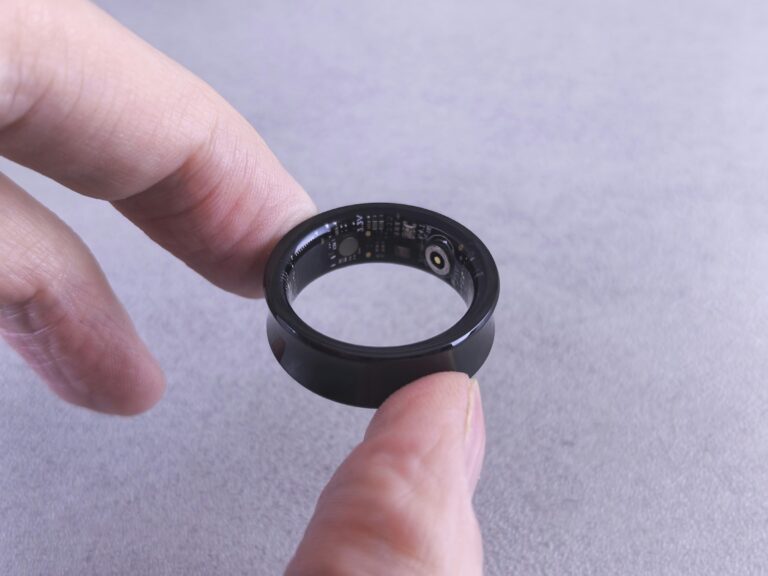
Smart rings can track overnight pulse and broad sleep patterns, while readiness and stress scores remain estimates. Use trends before changing a routine.

Smart rings can track overnight pulse and broad sleep patterns, while readiness and stress scores remain estimates. Use trends before changing a routine.
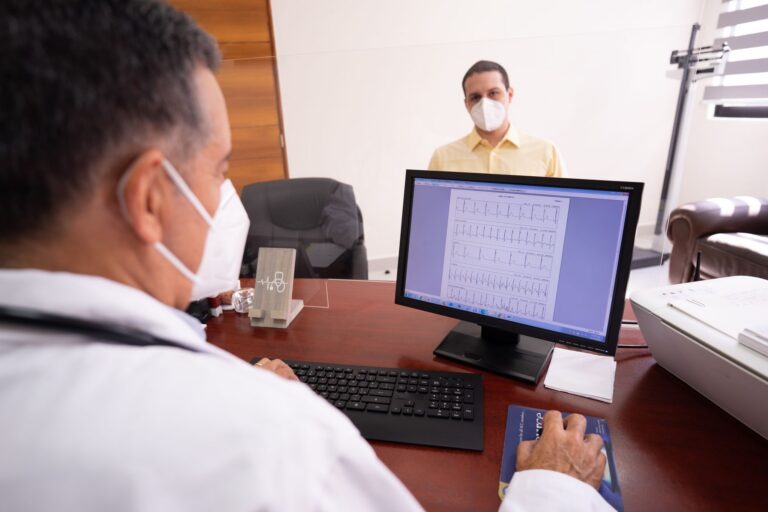
Work, cost, trust, fear, and cultural expectations all shape men’s use of preventive care. Better access and better clinical encounters are beginning to change the pattern.
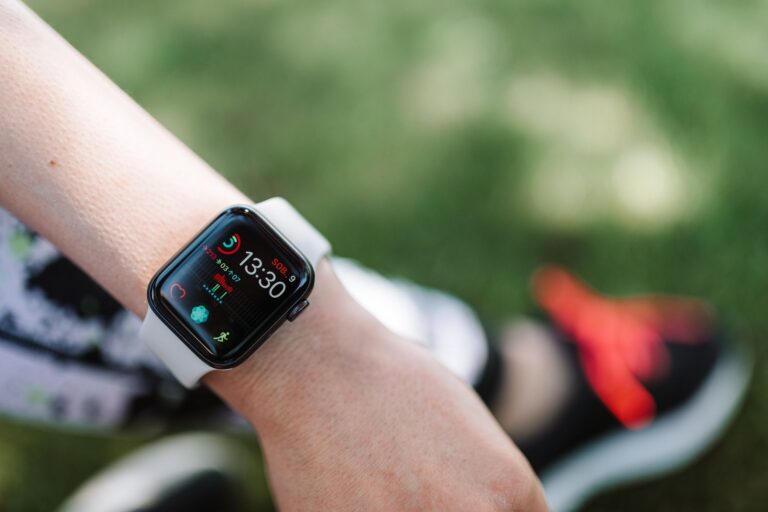
Wearable data can reveal useful patterns, but polished scores can also turn normal variation into daily alarm. Here is how to decide which metrics deserve attention.

A useful digital detox targets the cues and apps that repeatedly drain attention. Recent trials suggest what can change when mobile access gets quieter.

Health habits become easier to repeat when a visible behavior has a stable cue, low friction, an achievable minimum, and a plan for interruptions. Motivation can then play a smaller role.

A 2025 randomized trial measured hair density and follicle health directly. Here is what it found, what remains uncertain, and when shedding deserves evaluation.
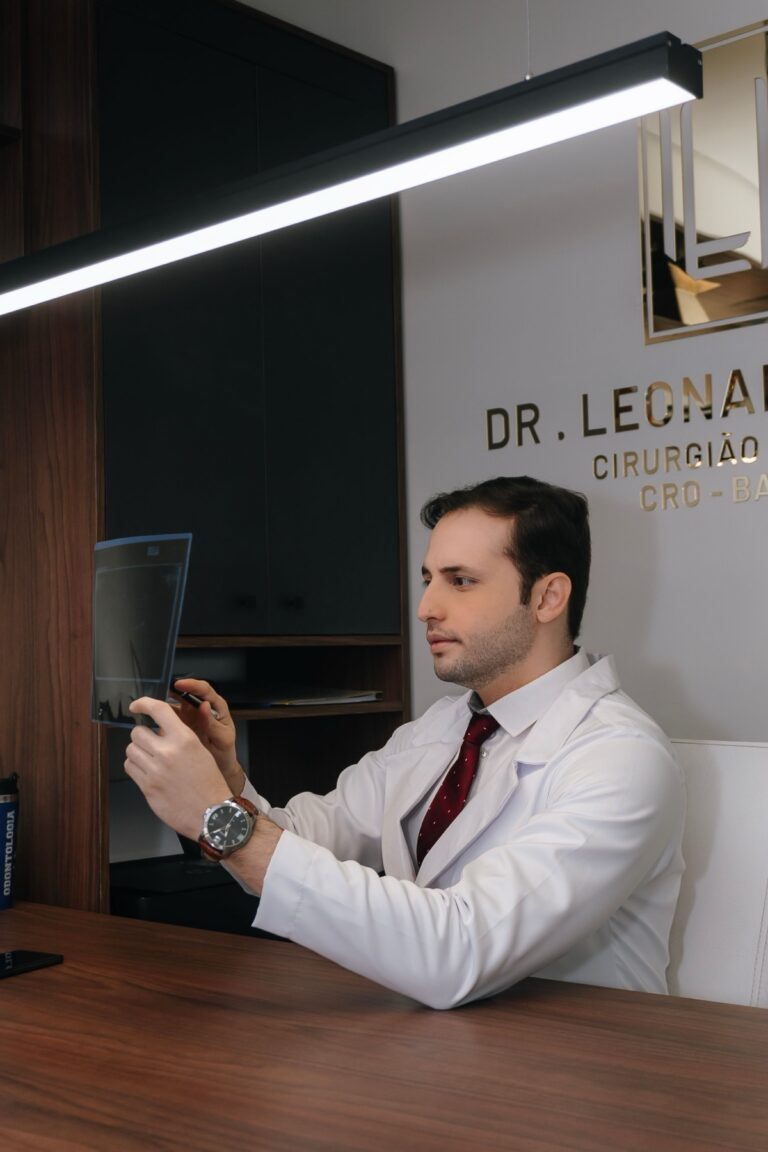
Clinical AI usually performs a narrow task: triaging images, making measurements, analyzing signals, improving image quality, or organizing records. Its value depends on validation, workflow, transparency, and human review.

Fatigue, low motivation, weight change, and sexual symptoms do not diagnose low testosterone. A useful evaluation combines repeat morning testing with sleep, medication, metabolic health, fertility, and monitoring.

VO2 max reflects cardiorespiratory fitness, but a useful result depends on age, sex, testing method, and personal trend.

The 150-minute exercise guideline is useful, but real schedules rarely fit a perfect plan. Here is how aerobic work, strength training, sitting breaks, and gradual progress can fit into an ordinary week.