

Skin changes are easy to interpret as cosmetic problems. Dryness becomes a reason to buy a richer moisturizer. Adult acne prompts a new routine. A yellow tint, persistent itch, or slow-healing sore may be covered while someone waits for it to pass.
Most rashes and blemishes begin in the skin and are treatable. Some reflect changes elsewhere in the body. The challenge is knowing when a skin problem belongs in a medical visit before scheduling an elective procedure.
Start With What Changed
A useful skin history begins with timing. A condition that has been stable for years means something different from one that appeared abruptly. Note where it started, whether it spreads, how it feels, and which symptoms arrived with it.
Photographs taken in the same light can document progression. Include a ruler or familiar object when size matters. Bring a list of prescriptions, supplements, recent illnesses, travel, new products, and changes in diet or work exposure to the appointment.
Skin tone affects how redness, bruising, pallor, and inflammation appear. A clinician should examine the full pattern rather than rely on descriptions developed mainly from lighter skin.
Persistent Itch Can Extend Beyond Dry Skin
Dry air, eczema, contact reactions, and medication side effects are common causes of itching. Moisturizer and avoiding irritants often help. Widespread itch without a clear rash deserves a closer look, especially when it persists or disrupts sleep.
Liver, kidney, thyroid, blood, and neurologic conditions can produce itching. The skin may show little beyond scratch marks. The American Academy of Dermatology advises that chronic itch can occasionally reflect an underlying disease. A clinician may use the history, examination, and targeted bloodwork to narrow the cause.
Color Changes Carry Different Clues
New yellowing of the skin or the whites of the eyes can indicate jaundice and needs medical assessment. Gray or unusually pale skin may accompany anemia, poor circulation, or serious illness. Blue or purple lips and fingertips can signal low oxygen and may require urgent care.
Brown patches on the lower legs sometimes develop with chronic swelling and poor venous circulation. A dark, thick, velvety patch at the neck, groin, or underarms is called acanthosis nigricans. It can be associated with insulin resistance, although medications, genetics, and other conditions may also contribute.
None of these appearances confirms a diagnosis on sight. They are reasons to investigate the pattern rather than attempt to bleach, peel, or conceal it first.
New Adult Acne May Have a Hormonal Context
Adult acne is common, particularly in women. Stress, skin products, friction, and genetics can contribute. A sudden increase in acne alongside irregular periods, increased facial hair, scalp hair thinning, or difficulty conceiving can point toward an androgen-related condition such as polycystic ovary syndrome.
A dermatologist can treat the acne while a primary care clinician or gynecologist evaluates the broader pattern. Cosmetic treatment alone may improve the surface and leave the hormonal issue unaddressed.
Rashes With Whole-Body Symptoms Need Prompt Attention
A small itchy patch after using a new detergent is usually managed differently from a rapidly spreading rash with fever, joint pain, facial swelling, mouth sores, or breathing difficulty.
Seek urgent care for a rash with trouble breathing, swelling of the tongue or throat, blistering or peeling skin, purple spots that do not fade when pressed, severe pain, confusion, or signs of a serious infection. A new rash soon after starting a medication also deserves prompt advice.
Some autoimmune and infectious diseases have recognizable skin patterns, but photographs online are a poor substitute for an examination. Similar-looking rashes can have very different causes.
Hair and Nails Add Information
Hair shedding often increases two or three months after a major illness, surgery, childbirth, rapid weight loss, or severe stress. This pattern, called telogen effluvium, often improves after the trigger resolves. Patchy hair loss, scarring, scalp inflammation, or loss that continues should be assessed.
Iron deficiency, thyroid disease, inadequate protein intake, and some medications can affect hair growth. Testing should follow the history rather than a broad supplement shopping list. Excess iron and high-dose vitamins can cause harm.
Nails change with age and repeated exposure to water or chemicals. New clubbing, spoon-shaped nails, dark streaks, severe brittleness, or separation from the nail bed can provide medical clues. A dark line in one nail that changes over time needs a dermatologist’s attention, particularly if pigment spreads onto nearby skin.
A Changing Spot Should Come Before an Elective Procedure
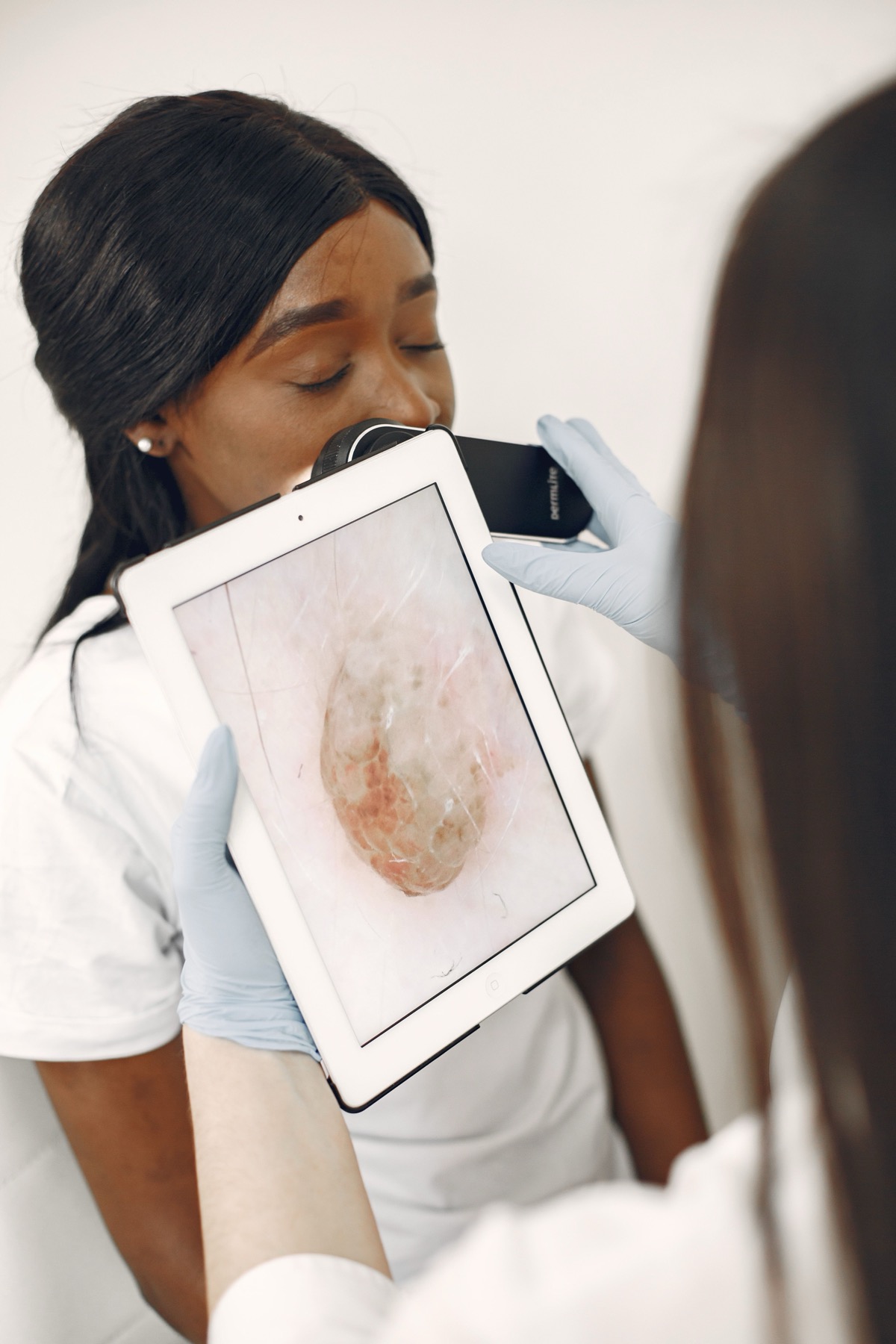
Laser treatment, resurfacing, fillers, and peels are not designed to diagnose skin cancer. Any new, changing, bleeding, or non-healing lesion should be evaluated before it is altered.
The familiar ABCDE guide—Asymmetry, irregular Border, varied Color, increasing Diameter, and Evolution—can help identify suspicious moles. It does not catch every skin cancer. A pearly bump, rough persistent patch, or sore that repeatedly crusts and reopens can also need examination.
A board-certified dermatologist is trained to diagnose disease as well as perform cosmetic procedures. The American Academy of Dermatology’s description of dermatologic care emphasizes this dual role across skin, hair, and nail conditions.
Prepare the Skin Before Asking It to Heal
Elective procedures create controlled injury. Healing may be less predictable when diabetes is poorly controlled, nutrition is inadequate, someone smokes, an active infection is present, or a medication affects bleeding or immunity.
A responsible pre-procedure consultation reviews medical conditions, prescriptions, supplements, allergies, previous scarring, cold sores, pregnancy, and recent sun exposure. Blood thinners should never be stopped without guidance from the clinician who prescribed them.
Ask who will perform the procedure, what credentials they hold, how complications are handled, and whether the facility can provide follow-up. A low price does not compensate for vague answers.
The Practical Order of Operations
First, document the change. Next, treat urgent symptoms urgently. Then have a persistent or unusual problem diagnosed before trying to erase it. Once the skin is stable and any underlying condition is addressed, cosmetic options can be discussed with clearer expectations.
Skin is visible, which makes it tempting to treat every change at the surface. Its visibility is also an advantage. It can give an early signal that sleep, circulation, hormones, medication, inflammation, or another part of health needs attention.