
For decades, we’ve separated how we look from how we age.
Appearance has been treated as cosmetic, something to manage at the surface. Health, on the other hand, has been framed as internal, biochemical, and largely invisible. But this distinction is beginning to break down.
From a biological standpoint, the processes that drive aging are systemic. They influence not only how long we live, but how we look while we’re living.
The visible signs of aging are not independent events. They are manifestations of underlying cellular change.
Aging Is a Systemic Process
At its core, aging is driven by a series of interconnected mechanisms: genomic instability, mitochondrial dysfunction, chronic inflammation, and the gradual loss of cellular resilience.
These processes don’t operate in isolation.
They influence tissues throughout the body, including the skin. Collagen breakdown, reduced elasticity, changes in pigmentation, these are not simply cosmetic issues. They are downstream effects of changes occurring at the cellular level.
When we see signs of aging externally, we are often observing the visible expression of deeper biological processes.
The Limits of Surface-Level Intervention
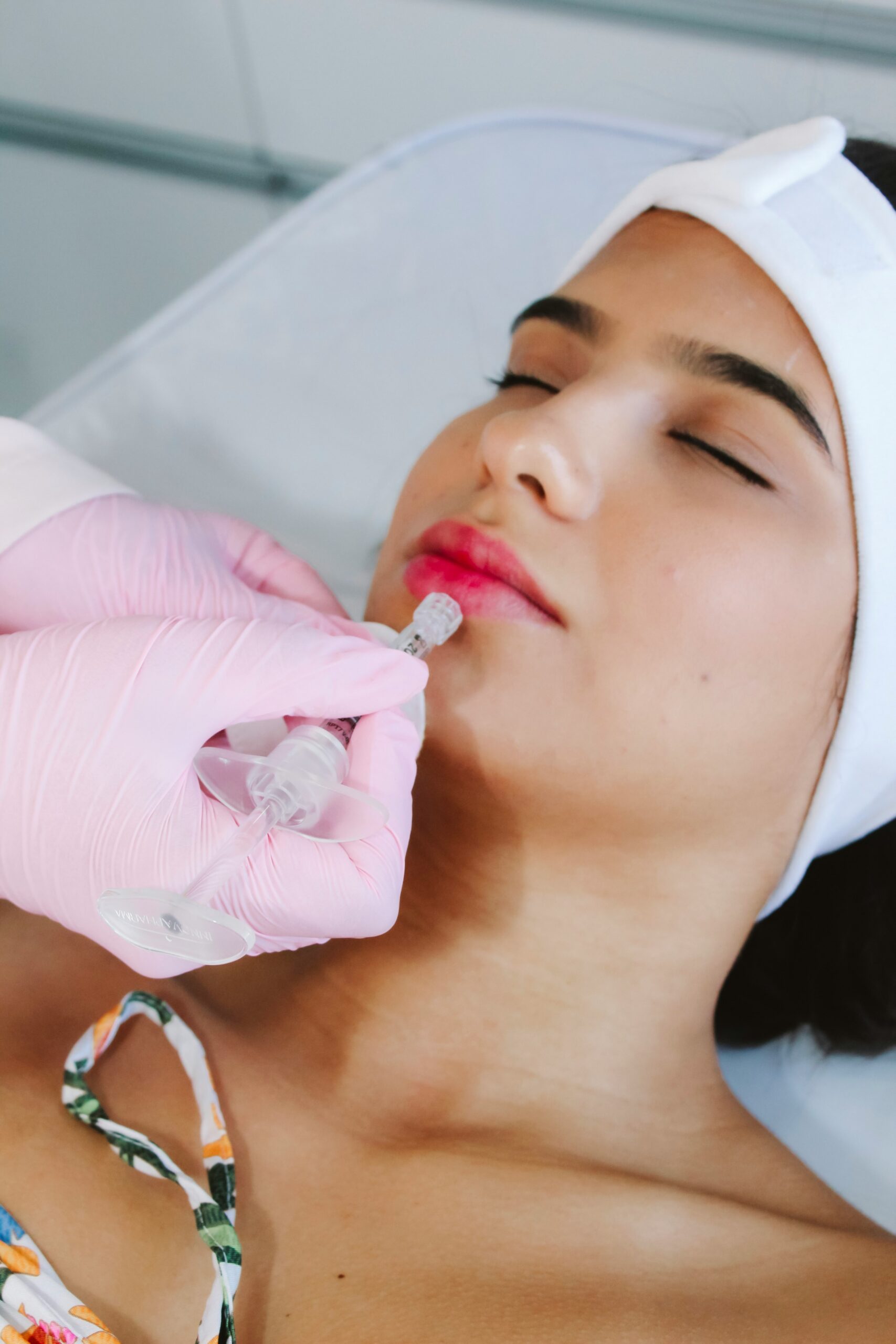
Aesthetic medicine has made significant advances in recent years. It can effectively address many of the visible markers of aging, from fine lines to volume loss.
But these interventions operate primarily at the level of tissue.
They can improve how the skin appears, but they do not directly alter the underlying drivers of aging. Cellular damage, metabolic inefficiency, and inflammatory processes continue unless they are addressed through other means.
This is not a criticism of aesthetic medicine. It is a matter of scope.
If we focus exclusively on the surface, we are treating symptoms rather than mechanisms.
Targeting the Drivers of Aging
Functional health approaches, particularly those informed by longevity science, aim to intervene earlier in the process.
The goal is to influence the biological pathways that contribute to aging:
- Reducing chronic inflammation
- Supporting mitochondrial function
- Improving metabolic health
- Enhancing cellular repair processes
Lifestyle factors play a central role. Nutrition, sleep, physical activity, and stress management all influence these pathways.
There is also growing interest in compounds and interventions that may support cellular resilience and slow aspects of biological aging. While research is ongoing, the broader principle is clear: if we can influence the drivers of aging, we can influence its outcomes.
Appearance as a Biomarker
One of the more practical ways to think about this intersection is to view appearance as a biomarker.
Skin quality, for example, can reflect levels of inflammation and oxidative stress. Changes in body composition may indicate shifts in metabolic health. Even energy levels and posture can signal underlying physiological states.
These are not precise diagnostic tools, but they are informative.
They provide real-time feedback on how the body is responding to internal and external conditions.
An Integrated Approach
The most effective strategy is not to choose between aesthetic medicine and functional health, but to integrate them.
When underlying biological processes are supported, aesthetic interventions tend to:
- Produce more natural results
- Last longer
- Require less frequent maintenance
Conversely, when aesthetic treatments are used in isolation, results may be shorter-lived and require ongoing intervention.
Integration allows for both immediate improvement and long-term sustainability.
Rethinking Outcomes
The objective is not to eliminate aging. That is neither realistic nor desirable.
The goal is to extend healthspan, the period of life spent in good health, while maintaining function and vitality.
Appearance is part of that equation. Not because it is purely aesthetic, but because it reflects the condition of the underlying system.
When the system is functioning well, the external signals often follow.
Final Thoughts
We are entering a period where the boundaries between disciplines are becoming less rigid.
Aesthetic medicine and functional health are not competing approaches. They are different perspectives on the same biology.
As our understanding of aging continues to evolve, so too does our ability to influence it, not only in terms of lifespan, but in how we experience and express health over time.
What we see in the mirror is not separate from what is happening within us. It is, in many ways, a reflection of it.