
-

Electrolyte Imbalance: Early Signs, Serious Symptoms, and When to Seek Care
Electrolyte imbalance can cause weakness, cramps, confusion, or heart-rhythm changes. Learn which symptoms need testing, prompt care, or an emergency response.
-

Insulin Resistance in Women: Symptoms, Testing, and Missed Clues
Insulin resistance often has no symptoms. Learn how PCOS, gestational diabetes, skin changes, and blood tests help reveal risk in women.
-

When Is a Weight-Loss Stall Really a Plateau?
A short-term weight stall may reflect normal variation. A true plateau becomes clearer when trends, routines, and measurements stay stable for several weeks.
-

When Health Anxiety Starts Running Your Life
Health anxiety can turn checking, searching, and reassurance into a draining loop. Understanding that cycle can help people choose practical support.
-
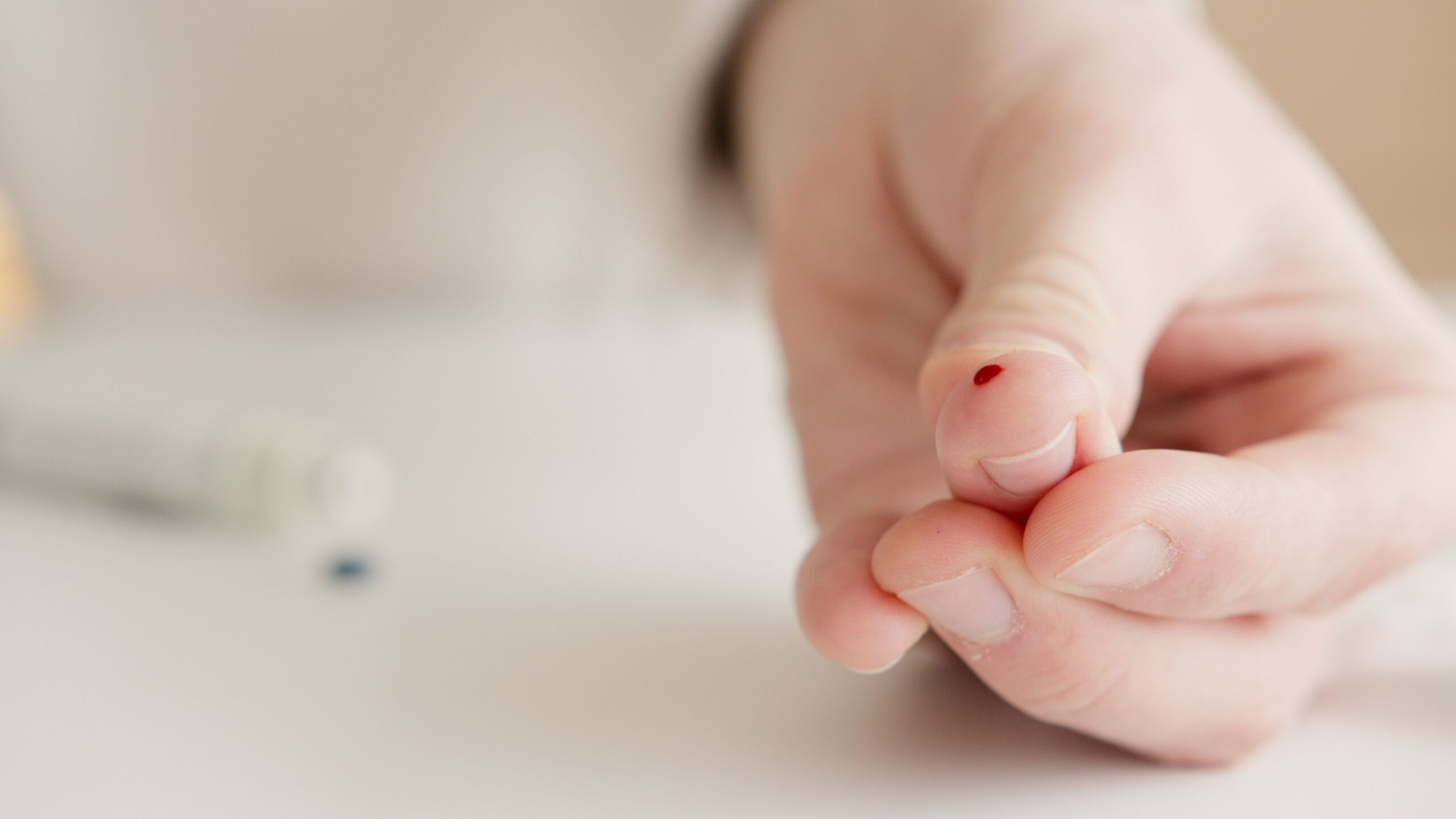
At-Home Blood Tests Are Growing Fast. Which Results Can You Trust?
At-home blood tests can be convenient, but collection quality, laboratory standards, and follow-up determine whether a result deserves trust.
-

Prostate Supplements: Where the Evidence Supports the Claims
Prostate supplements promise easier urination and better prostate health, yet the strongest saw palmetto trials show little benefit. Here is how to evaluate ingredients, safety, and urinary warning signs.
-

Does Microneedling Hurt? What the Procedure and Recovery Usually Feel Like
Microneedling can feel prickly, scratchy, or warm depending on the treatment area and device. Learn what discomfort is typical, how recovery feels, and when pain may signal a problem.
-

Can Depression Cause Memory Loss? How Mood Changes Attention and Recall
Depression can interfere with attention, learning, and recall. Here is how those changes differ from dementia, what an evaluation may cover, and which symptoms need prompt attention.
-

Sarcopenia Symptoms: The Early Signs of Age-Related Muscle Loss
Sarcopenia often appears first as difficulty with stairs, chairs, carrying, or walking. Learn which early signs matter, how clinicians assess muscle function, and when to seek an evaluation.
-

Why Mobility Is the Missing Link Between Exercise and Injury Prevention
Strength and endurance are easy to measure. Mobility is easier to ignore until a stiff ankle changes a squat, a limited shoulder makes an overhead reach awkward, or a tight hip alters a running stride. Mobility describes how well you can control a joint through the range of motion needed for a task. Flexibility describes how far a tissue or…
-

The Gut-Brain Axis: How Your Digestive Health Is Shaping Your Memory and Focus
Your intestines and brain exchange signals throughout the day. Nerves, immune cells, hormones, and chemicals made by gut microbes all take part. Researchers call this network the gut-brain axis. The connection is real. The claims built around it often run ahead of the evidence. Digestive health can affect how a person feels and functions, yet scientists cannot look at one…
-

The Longevity Habits That Actually Have Science Behind Them (And the Ones That Don’t)
Most habits linked to healthier aging are basic: regular exercise, enough sleep, a balanced diet, not smoking, and routine medical care. Supplements and specialized tests receive plenty of attention, but evidence that they extend human life is much weaker. A long life can still contain years of frailty, poor mobility, and dependence. Clinically, the more useful measure is health span:…