

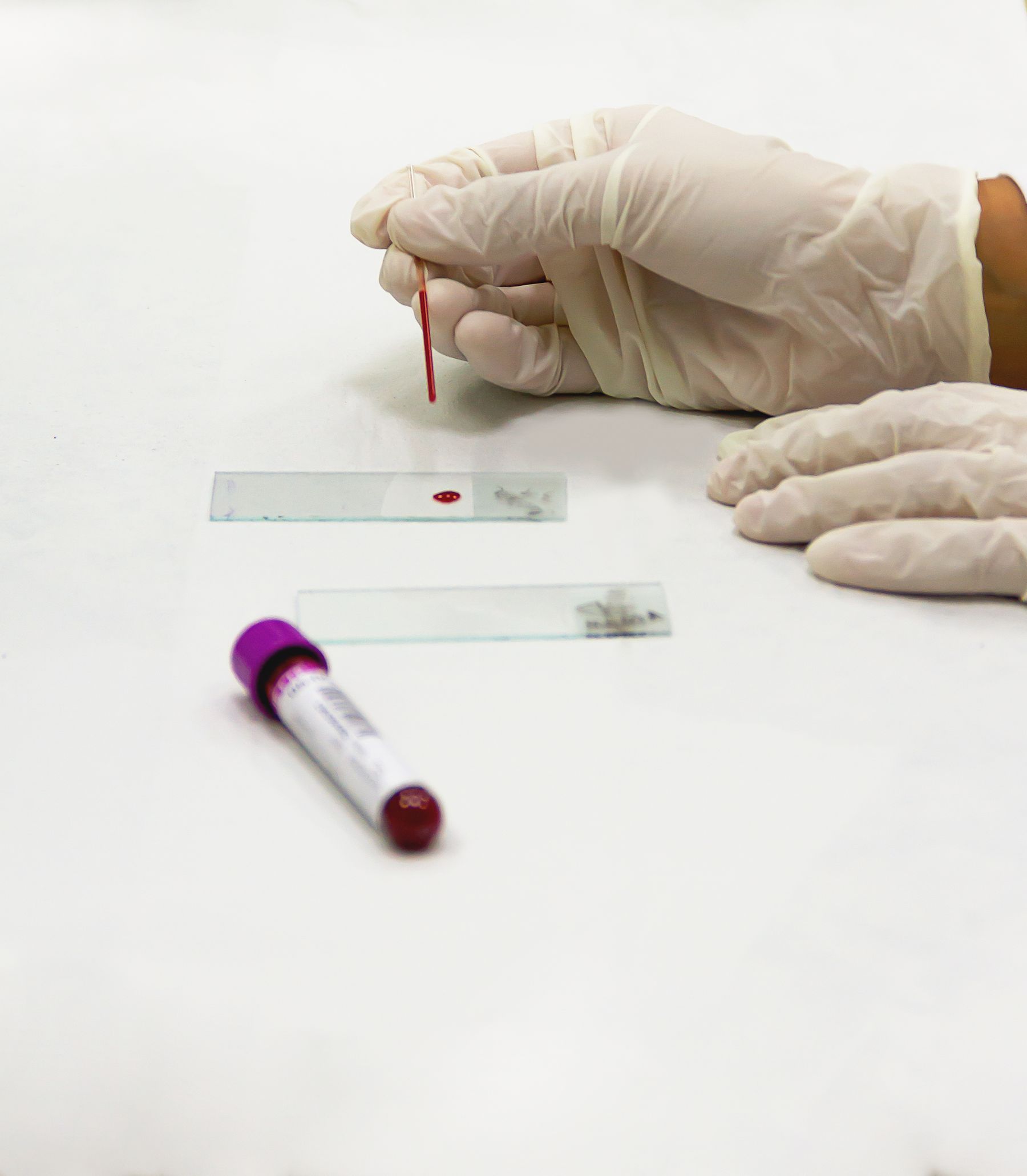
Routine blood work is often described as a complete health check, but no panel is complete. A complete blood count looks at blood cells. A metabolic panel covers several markers of kidney and liver function, glucose, and electrolytes. A lipid panel estimates cardiovascular risk. These tests answer useful questions, yet they do not screen for every nutritional, hormonal, inflammatory, or metabolic problem.
That does not mean everyone needs a longer list. Testing works best when a result could change a decision. The right additions depend on symptoms, family history, medicines, diet, age, pregnancy history, and previous results. Broad testing without a reason produces false alarms and follow-up procedures that may offer no benefit.
Start With the Question, Not the Test
Before requesting a marker, ask what problem it would help explain and what would happen if it were abnormal. Fatigue, for example, can arise from anemia, sleep apnea, depression, thyroid disease, infection, medication effects, inadequate food intake, or many other causes. Ordering every available test is less useful than building a focused differential diagnosis.
Screening is different from diagnostic testing. Screening looks for disease in people without symptoms. Diagnostic testing investigates a symptom, examination finding, or earlier abnormal result. Evidence may be insufficient for universal screening while a test remains appropriate for a person with specific risk.
A Better Cardiovascular Risk Picture
Apolipoprotein B
A standard lipid panel reports LDL cholesterol, but LDL measures the cholesterol carried inside a group of particles. Apolipoprotein B, or ApoB, approximates the number of atherogenic particles. The two values may disagree, particularly in people with high triglycerides, diabetes, metabolic syndrome, or very low LDL cholesterol.
An ApoB result can refine a treatment discussion when ordinary lipid values and the overall risk picture do not line up. It is not a stand-alone diagnosis, and a person with an unremarkable ApoB still needs blood pressure, tobacco, glucose, activity, and family history considered.
Lipoprotein(a)
Lipoprotein(a), written Lp(a), is largely inherited and remains relatively stable through adulthood. A high level can raise the risk of atherosclerotic cardiovascular disease and aortic valve disease. Testing once in adulthood is increasingly used to identify inherited risk, especially when heart disease occurred early in a family.
The result may strengthen the case for controlling modifiable risks more aggressively. Current lifestyle changes have limited effect on Lp(a) itself, so repeated testing without a clinical reason may add little.
Blood Sugar Beyond a Single Fasting Value
Hemoglobin A1C
A fasting glucose captures one moment. Hemoglobin A1C estimates average glucose exposure over roughly two to three months. The two tests can disagree. Anemia, kidney disease, pregnancy, blood loss, transfusion, and hemoglobin variants can affect A1C interpretation.
People with risk factors for type 2 diabetes may benefit from A1C or another validated test even when a random glucose was normal. A result near a threshold should usually be confirmed rather than treated as an exact border between health and disease.
Oral Glucose Tolerance Testing
An oral glucose tolerance test measures how the body responds to a defined glucose drink. It is cumbersome and unnecessary for most routine visits, but it can detect impaired glucose handling missed by fasting tests. Pregnancy is a familiar use. Clinicians may also use it when symptoms, risk, and simpler results conflict.
Iron Studies Need Context
Ferritin and Transferrin Saturation
A normal hemoglobin does not always rule out depleted iron stores. Ferritin can help assess storage, while transferrin saturation describes how much iron is available for transport. These may be useful with heavy menstrual bleeding, pregnancy, frequent blood donation, gastrointestinal symptoms, endurance training, restless legs, hair shedding, or a restrictive diet.
Ferritin also rises with inflammation, infection, liver disease, and other conditions. A high value does not automatically mean iron overload, and a person should not start high-dose iron from one result without understanding the cause. Excess iron can be harmful.
Vitamin B12 Testing Is Selective
Vitamin B12 deficiency can affect blood cells and nerves. Risk rises with vegan diets that lack supplementation, pernicious anemia, intestinal disease or surgery, and long-term use of certain acid-suppressing medicines or metformin. Symptoms may include numbness, balance trouble, cognitive changes, or anemia, although none is specific.
A borderline serum B12 result may need interpretation with methylmalonic acid or other clinical information. Routine testing in a person without symptoms or risk has a lower chance of answering a useful question.
Vitamin D Is Commonly Ordered and Commonly Misread
Vitamin D testing became a popular addition to wellness panels, but universal screening has not been shown to improve outcomes. The U.S. Preventive Services Task Force has found insufficient evidence to recommend screening all asymptomatic adults.
Testing may still be reasonable for osteoporosis, certain malabsorption conditions, abnormal calcium, kidney or liver disease, or symptoms suggesting a bone disorder. A low number should be interpreted with the laboratory method, the clinical setting, and the risks of excessive supplementation.
Thyroid Tests Are Not a Universal Explanation
TSH First
Thyroid-stimulating hormone is usually the first test when thyroid dysfunction is suspected. Free T4 helps interpret a persistently abnormal TSH. Antibody testing may clarify an autoimmune cause in selected cases.
The USPSTF concludes that evidence is insufficient to determine the balance of benefits and harms of screening every nonpregnant, asymptomatic adult for thyroid dysfunction. Its thyroid screening review notes that mild abnormalities can return to normal and that overdiagnosis can lead to unnecessary treatment.
Symptoms such as neck swelling, unexplained changes in weight or heart rate, heat or cold intolerance, menstrual changes, tremor, or a strong family history alter the calculation. Pregnancy and plans for pregnancy also require separate clinical guidance.
Kidney Risk May Require a Urine Test
Creatinine and estimated glomerular filtration rate appear on common metabolic panels, but early kidney damage may show up as albumin in urine before filtration falls. A urine albumin-to-creatinine ratio is especially relevant for people with diabetes, hypertension, cardiovascular disease, or known kidney risk.
Exercise, fever, infection, menstruation, and a temporary illness can affect urine protein. An abnormal result often needs confirmation. The value lies in identifying a persistent pattern that changes blood pressure, glucose, or medication management.
Liver Risk Is More Than ALT and AST
Normal liver enzymes do not exclude fatty liver disease or fibrosis. People with type 2 diabetes, metabolic dysfunction, substantial alcohol exposure, viral hepatitis risk, or certain medication histories may need a more focused assessment. Clinicians can combine age, enzymes, and platelet count into a fibrosis risk score and decide whether imaging or specialist evaluation is warranted.
Adding exotic liver markers to a wellness panel is less useful than an honest exposure history and appropriate follow-up of persistent abnormalities.
Inflammation Tests Rarely Identify the Cause
C-reactive protein and erythrocyte sedimentation rate can show that inflammation is present, but they do not identify its source. Infection, autoimmune disease, obesity, injury, and many other conditions can raise them. They are useful when a clinician has a defined diagnostic question or is monitoring a known illness.
High-sensitivity CRP has a narrower cardiovascular role in selected risk discussions. It should not be treated as a general score of how “inflamed” or healthy a person is.
Tests That Often Create More Trouble Than Clarity
Large food-sensitivity IgG panels, broad tumor-marker screening, routine hormone panels without a clinical question, and frequent cortisol testing are commonly marketed directly to consumers. Abnormal-looking results can lead to restrictive diets, imaging, repeated blood draws, and anxiety without a validated path to better outcomes.
Thyroid ultrasound is another example. The USPSTF recommends against screening asymptomatic adults for thyroid cancer because overdiagnosis and treatment harms outweigh expected benefits. A neck lump, swallowing difficulty, radiation history, or other high-risk feature is a different situation.
How to Have the Conversation
Bring a concise list of symptoms, medicines, supplements, dietary restrictions, family diagnoses and their ages of onset, and previous abnormal results. Ask which tests are most likely to change care and how an unexpected result would be confirmed.
Also ask about cost. A test can be medically reasonable and still be billed unexpectedly. Confirm whether it is considered preventive or diagnostic and whether the laboratory is in network.
The most useful lab work is neither the shortest panel nor the longest. It is a set of measurements tied to a real question, interpreted alongside the person’s history, and followed by a clear next step.