Blog

  • Why Mobility Is the Missing Link Between Exercise and Injury Prevention
    Why Mobility Is the Missing Link Between Exercise and Injury Prevention

    Strength and endurance are easy to measure. Mobility is easier to ignore until a stiff ankle changes a squat, a limited shoulder makes an overhead reach awkward, or a tight hip alters a running stride. Mobility describes how well you can control a joint through the range of motion needed for a task. Flexibility describes how far a tissue or…

  • The Gut-Brain Axis: How Your Digestive Health Is Shaping Your Memory and Focus
    The Gut-Brain Axis: How Your Digestive Health Is Shaping Your Memory and Focus

    Your intestines and brain exchange signals throughout the day. Nerves, immune cells, hormones, and chemicals made by gut microbes all take part. Researchers call this network the gut-brain axis. The connection is real. The claims built around it often run ahead of the evidence. Digestive health can affect how a person feels and functions, yet scientists cannot look at one…

  • The Longevity Habits That Actually Have Science Behind Them (And the Ones That Don’t)
    The Longevity Habits That Actually Have Science Behind Them (And the Ones That Don’t)

    Most habits linked to healthier aging are basic: regular exercise, enough sleep, a balanced diet, not smoking, and routine medical care. Supplements and specialized tests receive plenty of attention, but evidence that they extend human life is much weaker. A long life can still contain years of frailty, poor mobility, and dependence. Clinically, the more useful measure is health span:…

  • What Happens Inside Your Body During Each Stage of Sleep
    What Happens Inside Your Body During Each Stage of Sleep

    And Why It Matters More Than You Think Most people think about sleep in one of two ways: how many hours they got, and how tired they feel the next day. That makes sense. Time matters. So does how rested you feel. But sleep is not one uniform state. It is not simply a period where the body shuts down…

  • The Ultra-Processed Food Research Is Getting Hard to Ignore
    The Ultra-Processed Food Research Is Getting Hard to Ignore

    Here’s What It Says Most people do not think of ultra-processed foods as a research category. They think of them as dinner after a long day, a protein bar between meetings, cereal before school, or a frozen meal when cooking feels out of reach. That is part of what makes the conversation difficult. Ultra-processed foods are not all the same.…

  • The Screenings Most People Skip That Catch Deadly Diseases Early
    The Screenings Most People Skip That Catch Deadly Diseases Early

    Preventive Tests Worth Discussing Before Symptoms Start Most serious diseases do not begin with a dramatic warning sign. High blood pressure can damage blood vessels for years without causing symptoms. Colorectal cancer may begin as a small polyp. Cervical cancer can be preceded by abnormal cells that are detectable long before cancer develops. Blood sugar can drift upward quietly. Lung…

  • Protein Is Having a Moment
    Protein Is Having a Moment

    But How Much Do You Actually Need? Walk through a grocery store today and protein is everywhere. Protein cereal. Protein coffee. Protein chips. Protein pasta. Protein bars that look like candy bars. Yogurt with the number of grams printed larger than the flavor. The message is clear: more protein is better. It is a compelling shift, especially after decades of…

  • How Hormonal Fluctuations Across the Cycle Affect Energy, Mood, Cognition, and Pain
    How Hormonal Fluctuations Across the Cycle Affect Energy, Mood, Cognition, and Pain

    Why the Menstrual Cycle Is More Than a Reproductive Event Most people are taught to think of the menstrual cycle as something that happens in the uterus. A period arrives. Bleeding starts. Cramps may come with it. Then the cycle resets and the month moves on. But the menstrual cycle is not only a reproductive event. It is a whole-body…

  • The Gender Health Gap
    The Gender Health Gap

    Why Women’s Symptoms Are Still Being Undertreated A woman walks into a doctor’s office with pain, fatigue, heart palpitations, heavy bleeding, brain fog, digestive symptoms, or a sense that something in her body has changed. Sometimes she gets answers. Sometimes she gets a workup. Sometimes she gets appropriate care. And sometimes she gets a familiar response: it is probably stress,…

  • The Inflammation-Depression Connection
    The Inflammation-Depression Connection

    Is Mental Health Also a Physical Problem? Depression is often spoken about as if it lives entirely in the mind. A person feels low. They lose interest. They sleep too much or not enough. Their appetite changes. Their motivation disappears. The explanation is usually framed in emotional or chemical terms: stress, trauma, serotonin, coping skills, thought patterns, life circumstances. All…

  • Why Your Health Symptoms Keep Getting Dismissed
    Why Your Health Symptoms Keep Getting Dismissed

    And What to Do When You Know Something Is Off Most people know what it feels like to be dismissed before anyone says it directly. You describe the fatigue that is no longer normal. The pain that keeps returning. The brain fog that makes work harder. The bloating, dizziness, palpitations, irregular cycles, hair shedding, sleep disruption, or weight changes that…

  • How to Read a Blood Panel
    How to Read a Blood Panel

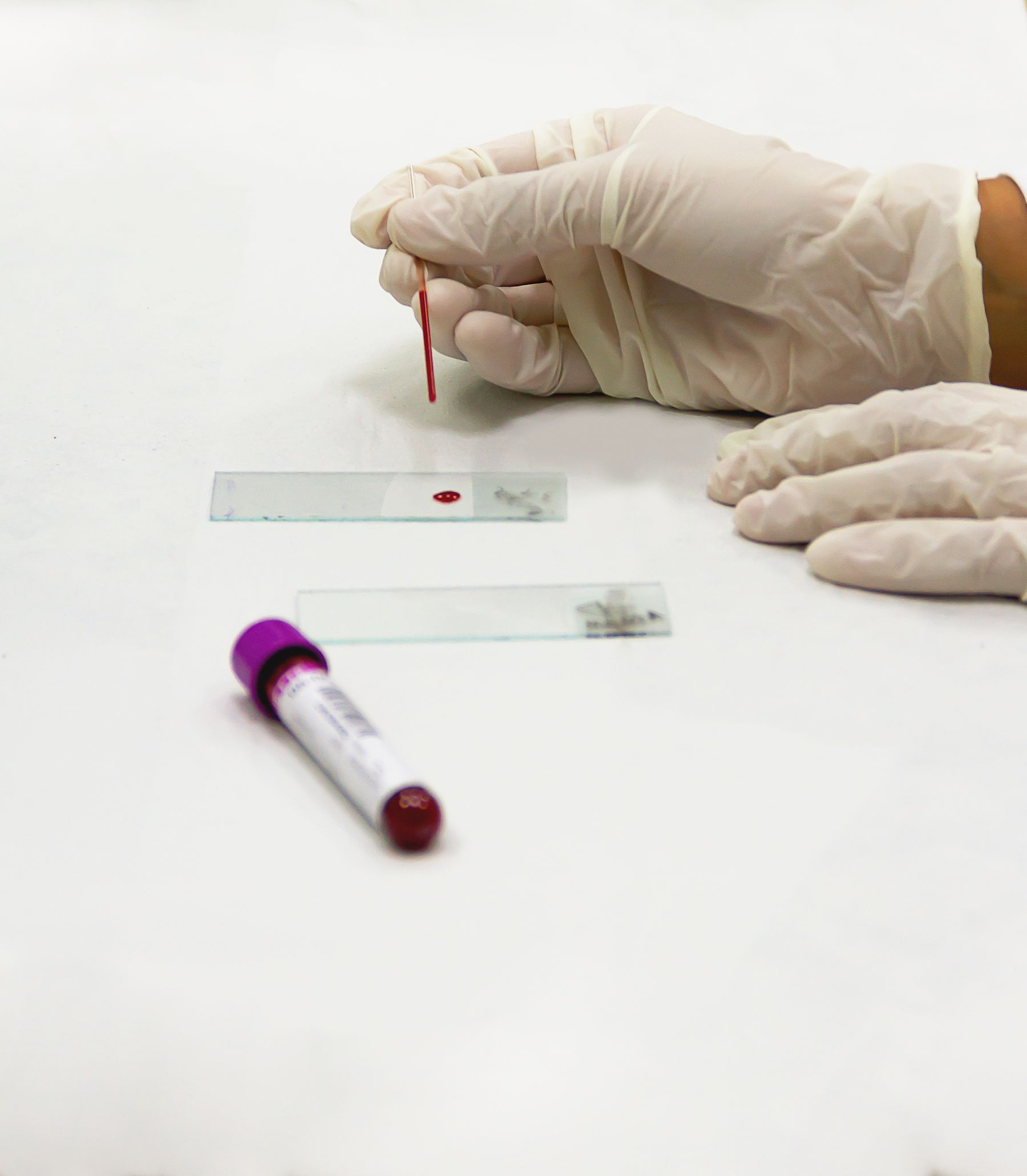
    What “Normal” Lab Results Mean, and Why “Optimal” Is More Personal Open a patient portal after bloodwork and the pattern is familiar. A few numbers, a few reference ranges, maybe a red flag beside one result. If nothing is marked high or low, the message seems clear: everything is normal. It is a comforting interpretation. It is also an incomplete…